Leaf characters that determine which section a Begonia belongs to:
Arrangement
Alternate leaves
The most common case in the genus Begonia.
-
- B. foliosa Kunth / section Lepsia / Colombia, Venezuela, Ecuador: alternate leaves

Opposite leaves
Rarer in the genus Begonia.
-
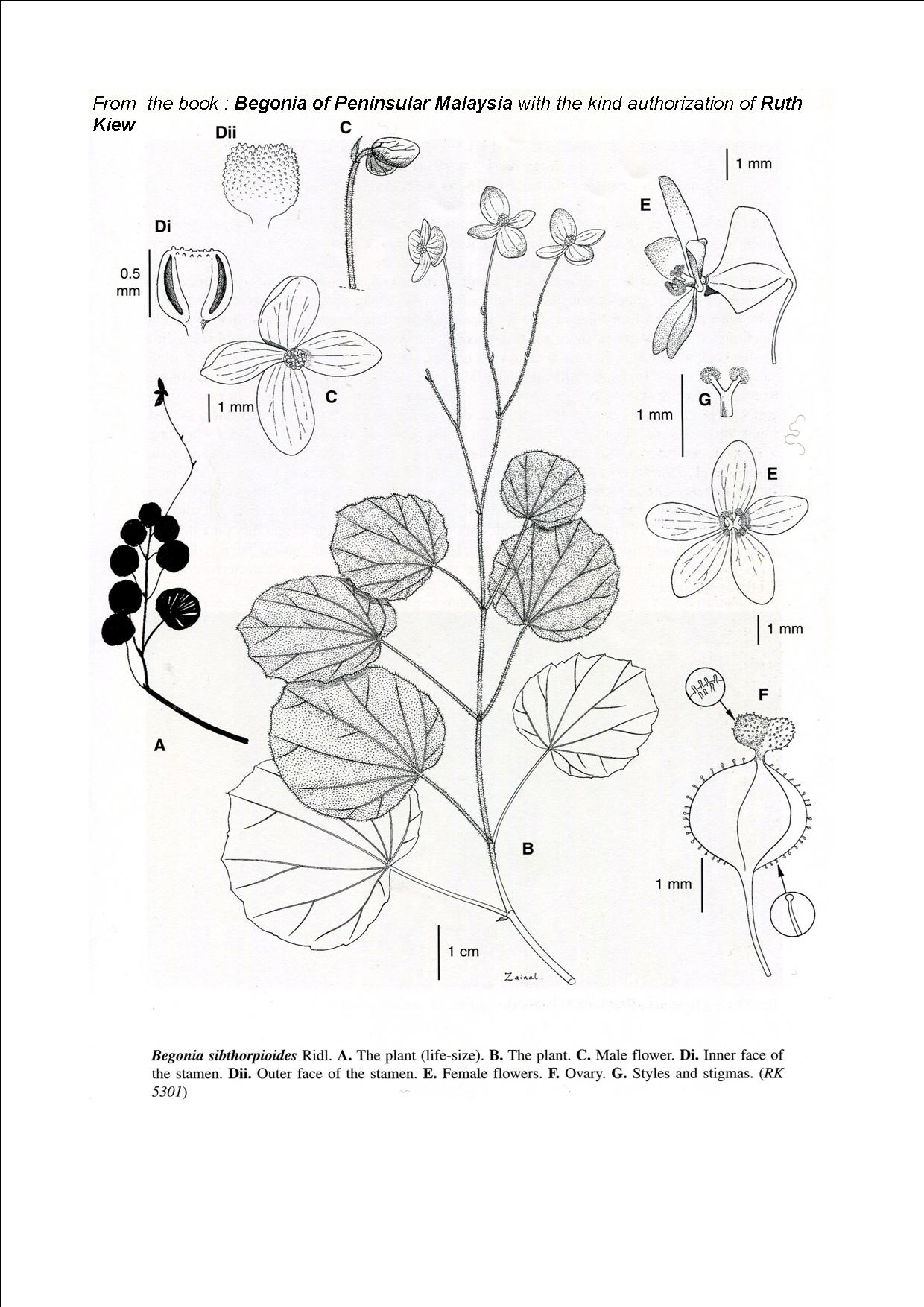
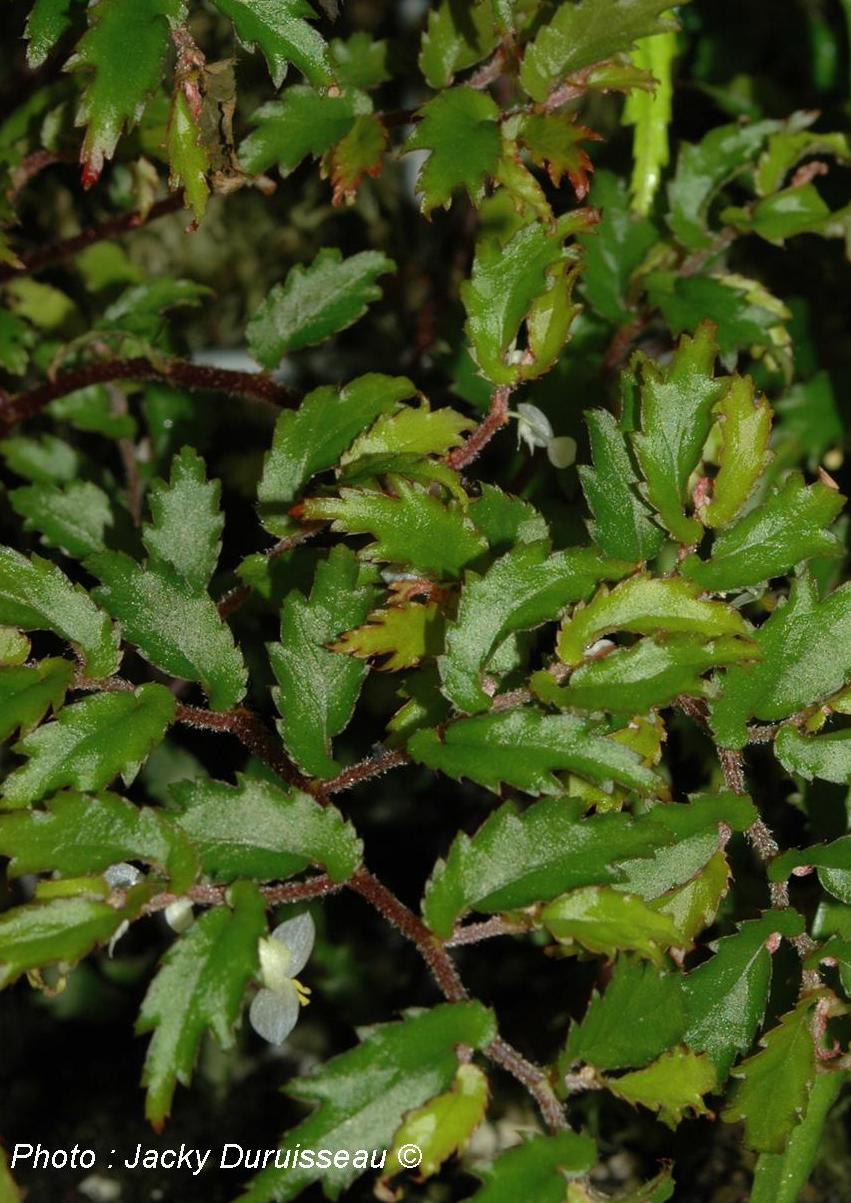
- B. sibthorpioides Ridley / section Heeringia / Malaysia – Thailand: the upper leaves of this Begonia are opposite
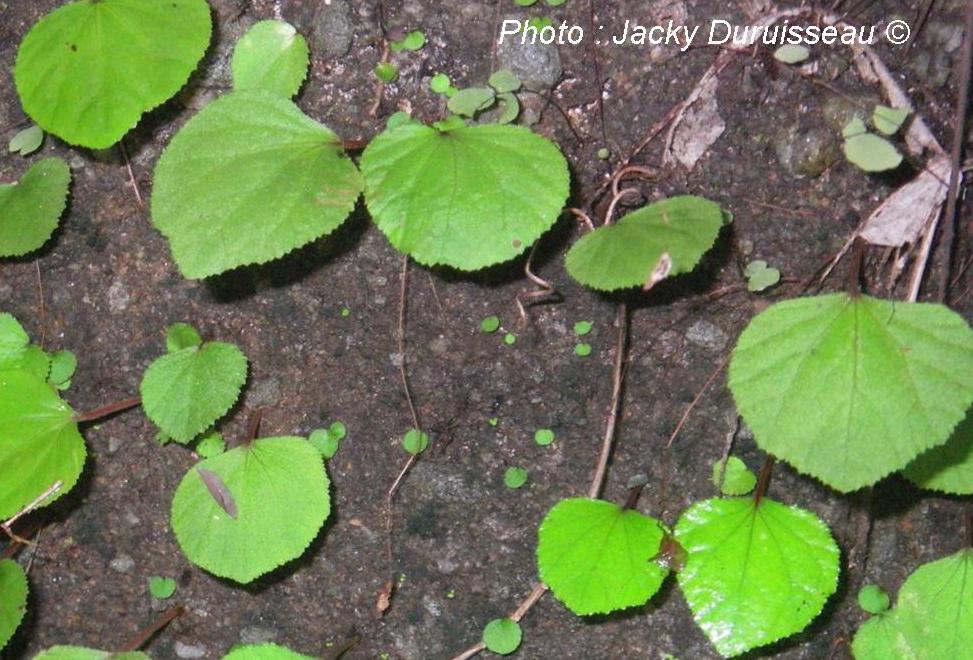
Distichous leaves, close together
Arranged in two vertical rows in the same plane; this character is most often found on creeping plants.
-
- B. thelmae L.B. Smith & D.C. Wasshausen / section undetermined / Brazil: distichous leaves

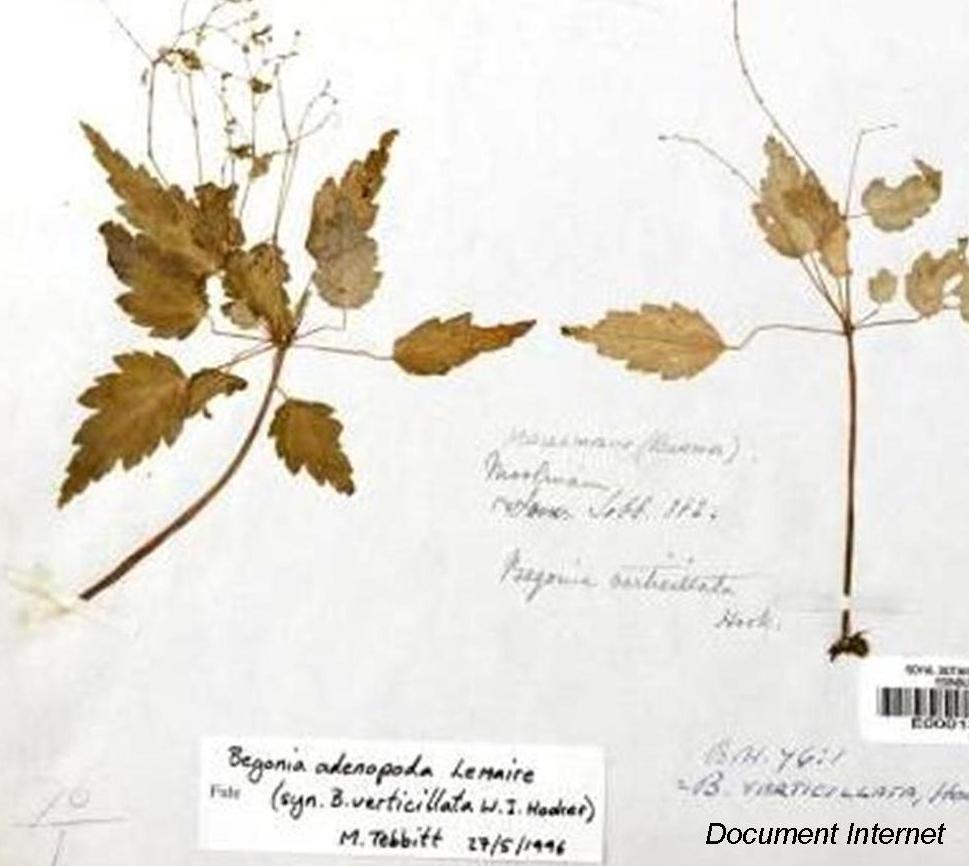
Whorled leaves
Inserted at the same level, in a circle, in the same horizontal plane: found on acaulescent (stemless) plants.
-
- B. adenopoda Lemaire / section Lauchea / Myanmar: plant with whorled leaves
Number
1 or 2 leaves
-
- B. sambiranensis Humbert / section Quadrilobaria / Madagascar: single-leaved plant
More than 2 leaves
Most begonias.
-
- B. minutifolia N. Hallé / section Filicibegonia / Gabon (endemic): numerous leaves
Position in relation to the petiole
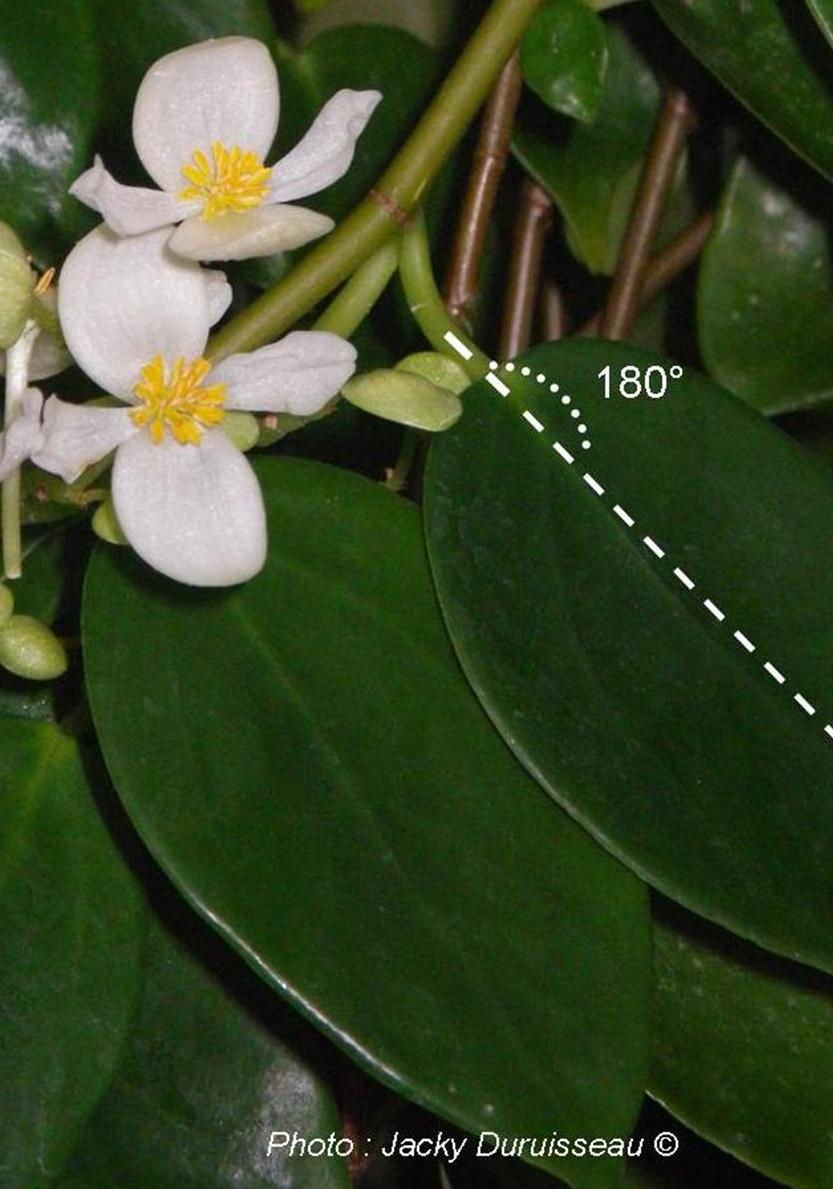
Straight leaves
When the main vein is exactly in line with the petiole.
-
- B. molleri Warburg / section Tetraphila / São Tomé: straight leaf, the main vein is in line with the petiole
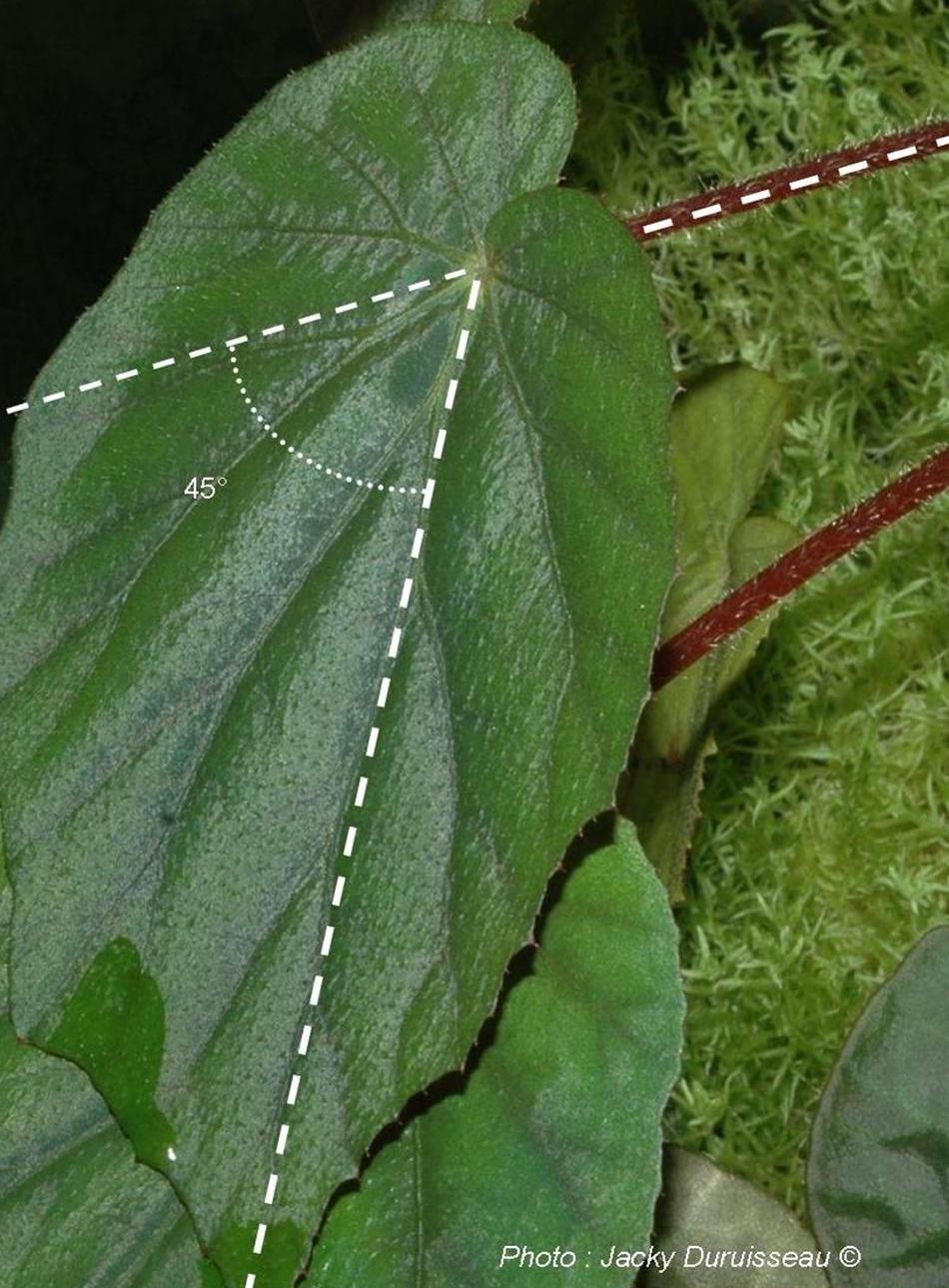
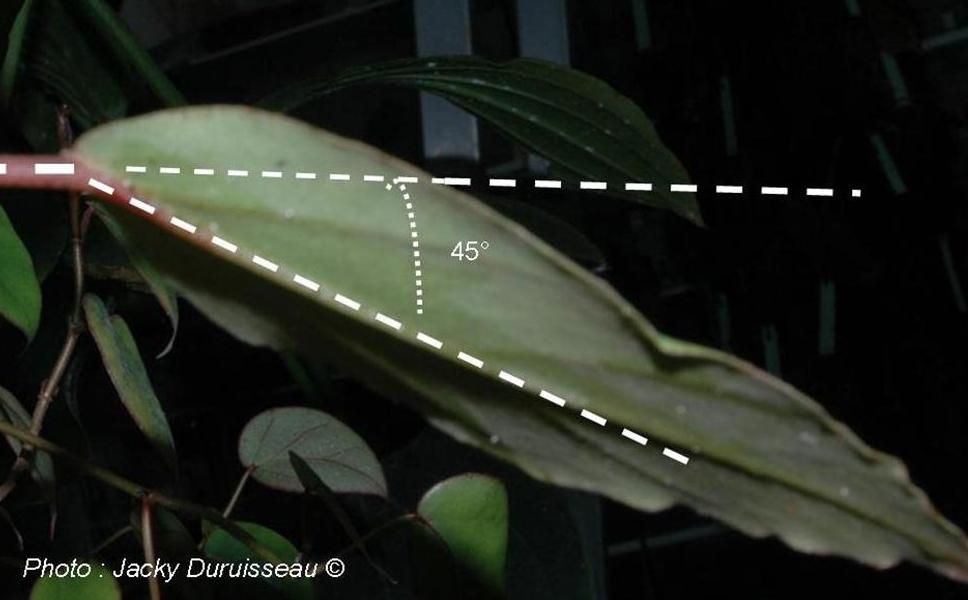
Oblique leaves
When the main vein makes an angle of about 45° with the petiole.
-
- B. sinuata Wallich / section Parvibegonia / Malaysia: oblique leaf, the petiole makes a 45° angle with the main vein
- B. horticola Irmscher / section Tetraphila / Central Africa: oblique leaf, the petiole makes a 45° angle with the main vein
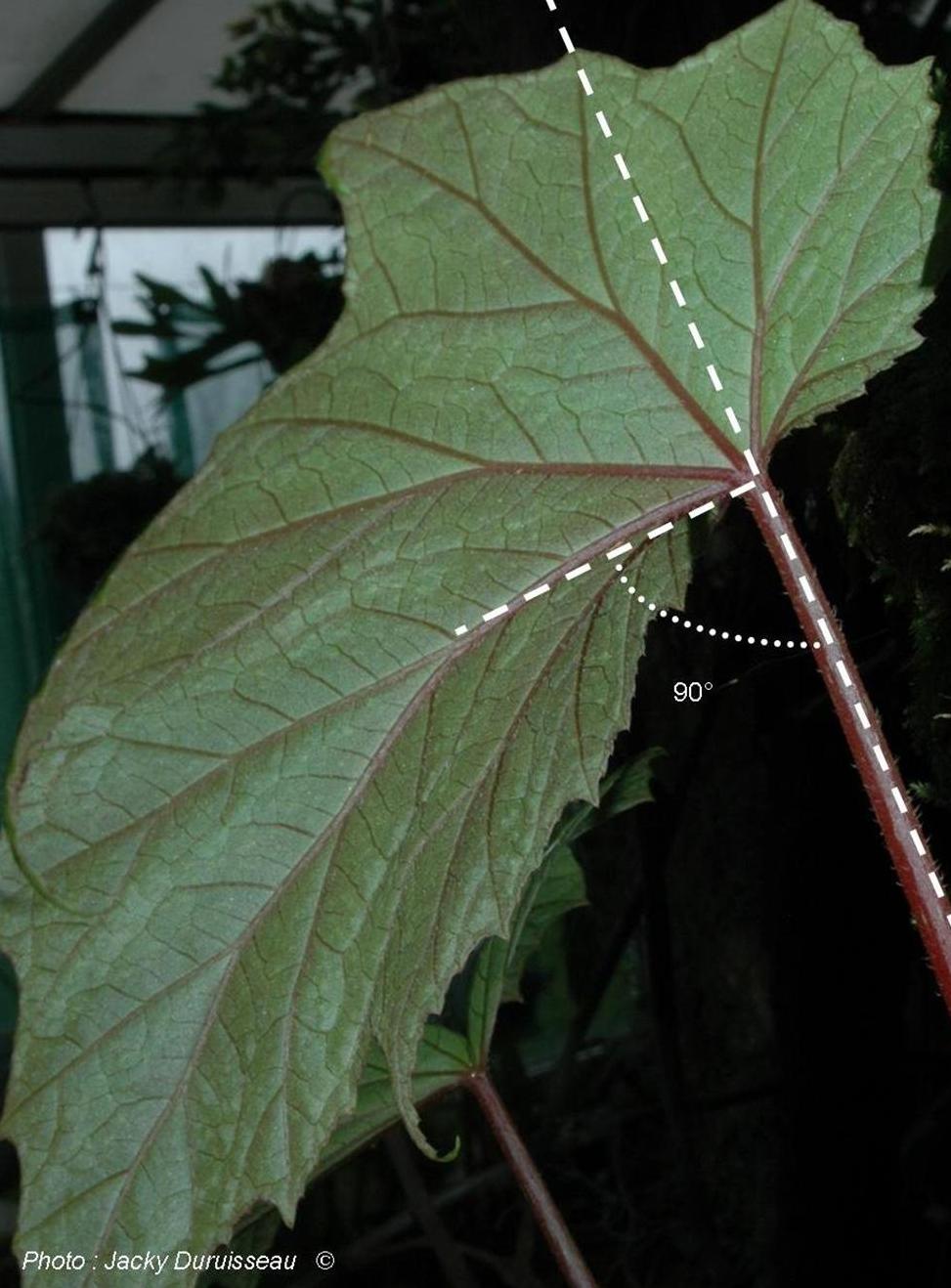
Transverse leaves
When the main vein is at (or nearly at) a right angle to the petiole.
-
- B. formosana Masamune / section Platycentrum / Taiwan: transverse leaf, the petiole is perpendicular to the blade
Symmetry
Symmetrical blade
Rare in the genus Begonia.
-
- B. horticola Irmscher / section Tetraphila / Congo – Zaire – Uganda: almost symmetrical blade

Asymmetrical blade
This is the most common case.
-
- B. silletensis CB Clarke subsp. mengyangensis Tebbitt / section Sphenanthera / China: strongly asymmetrical blade
Peltate or not
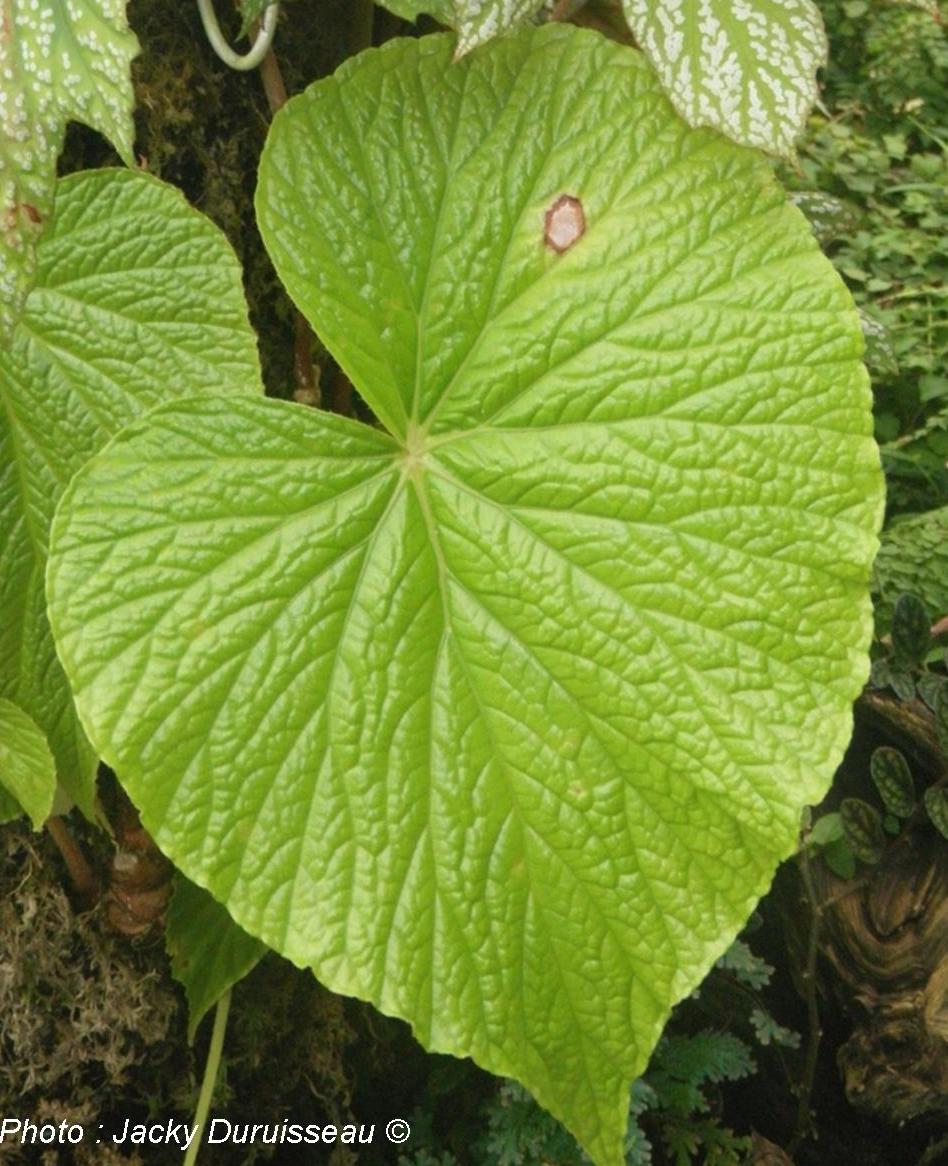
Peltate leaf
The petiole is attached within the blade.
-
- B. microsperma Warburg / section Loasibegonia / Cameroon: peltate leaf

Non-peltate leaf
The petiole is attached at the edge of the blade.
-
- B. garagarana C de Candolle / section Gireoudia / Panama: non-peltate leaf
Divisions
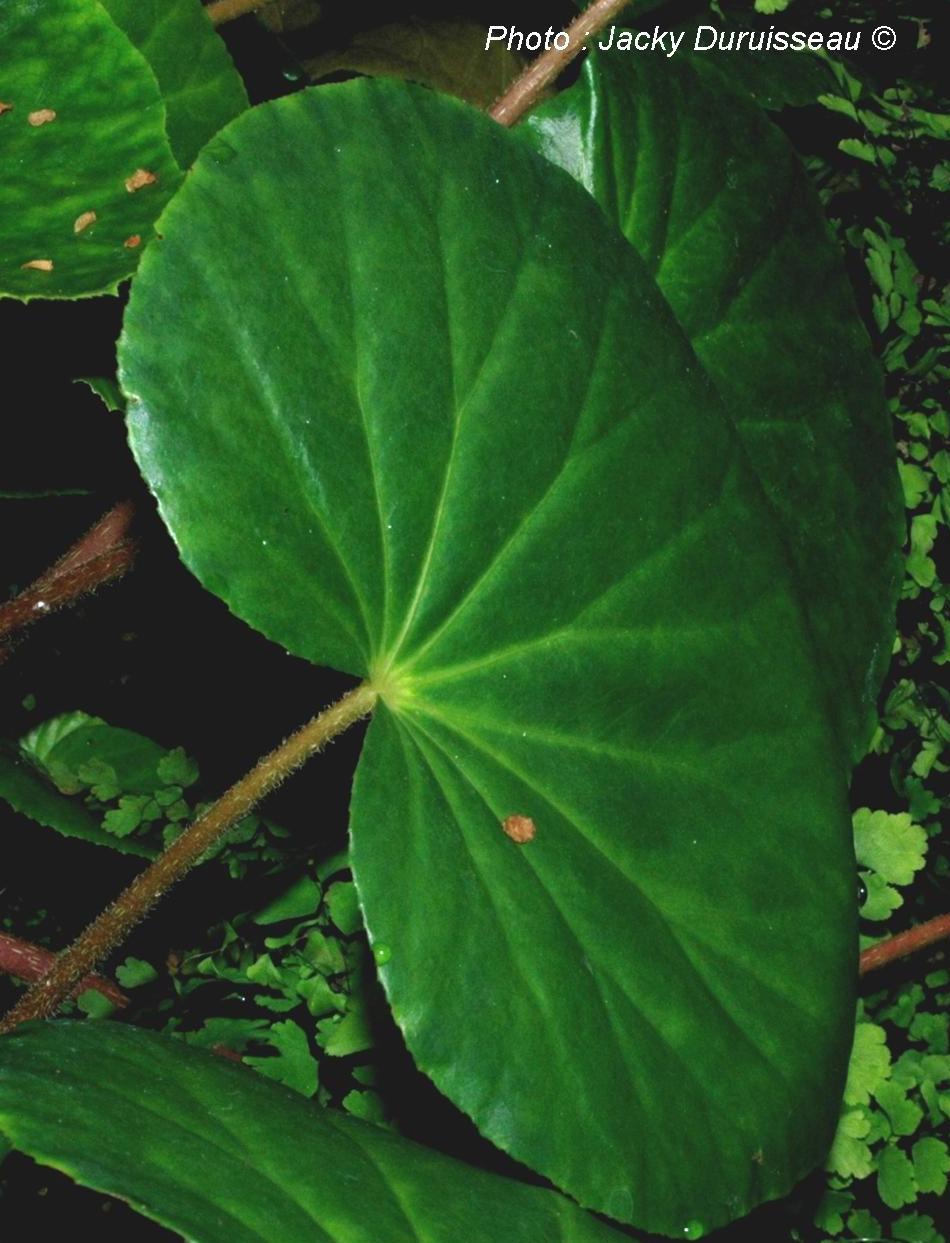
Simple or entire leaf
The leaf has no divisions.
-
- B. mariannensis Wasshausen & McClellan / section Knesebeckia / West Indies (Trinidad) / entire leaf
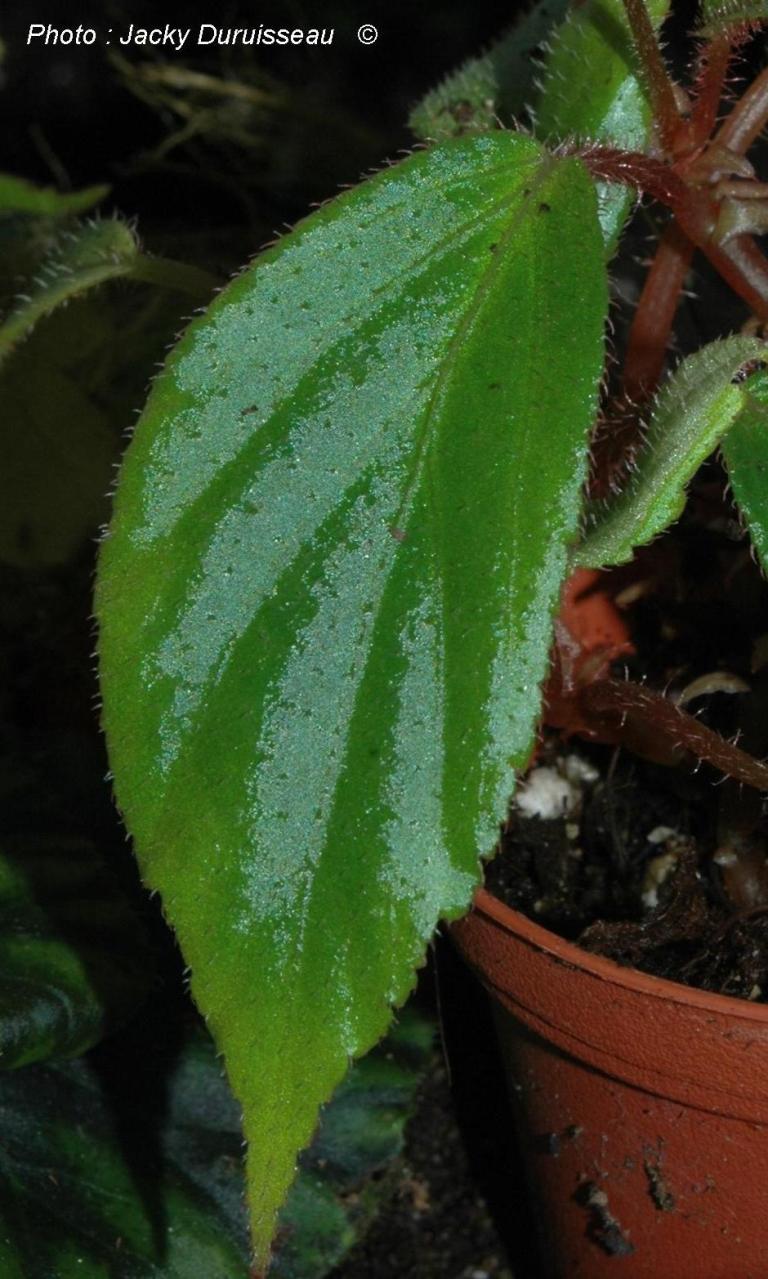
Palmately lobed leaf
It is divided radially into lobes (divisions not exceeding half the blade), arranged like the fingers of a hand
-
- B. China sp. / section Diploclinium / China: palmately lobed leaves
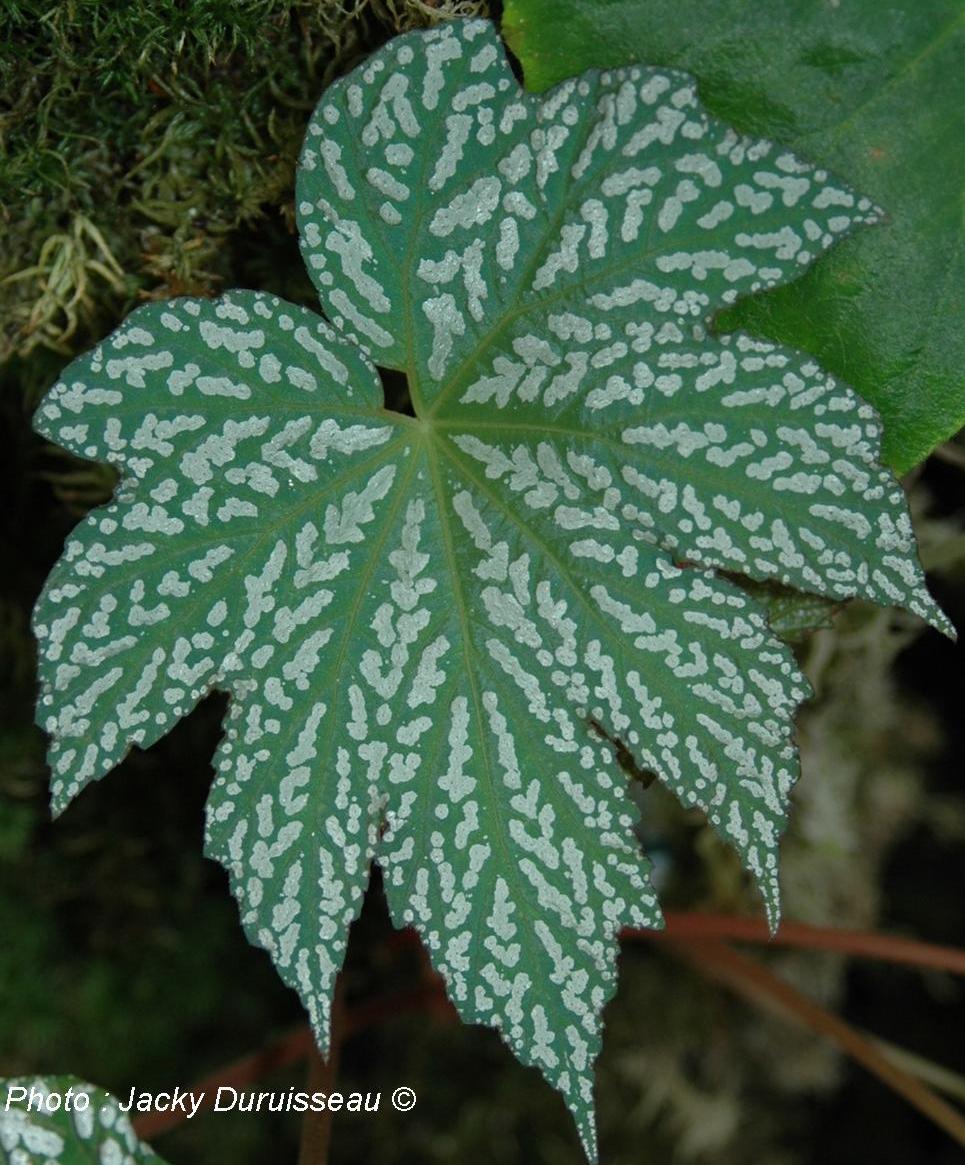
Palmatifid leaf
The same, but the divisions reach halfway into the blade / a rare character in the genus Begonia.
-
- B. antsiranensis Aymonin & Bosser / section Quadrilobaria / Madagascar (endemic): palmatifid blade

Palmatisect leaf
The divisions reach almost to the base of the blade.
-
- B. diadema Linden / section Platycentrum / Malaysia – Borneo: palmatisect leaf
- B. mananjebensis Humbert / section Quadrilobaria / Madagascar: palmatisect leaf
- B. pedatifida Léveillé / section Platycentrum / China: palmatisect leaf
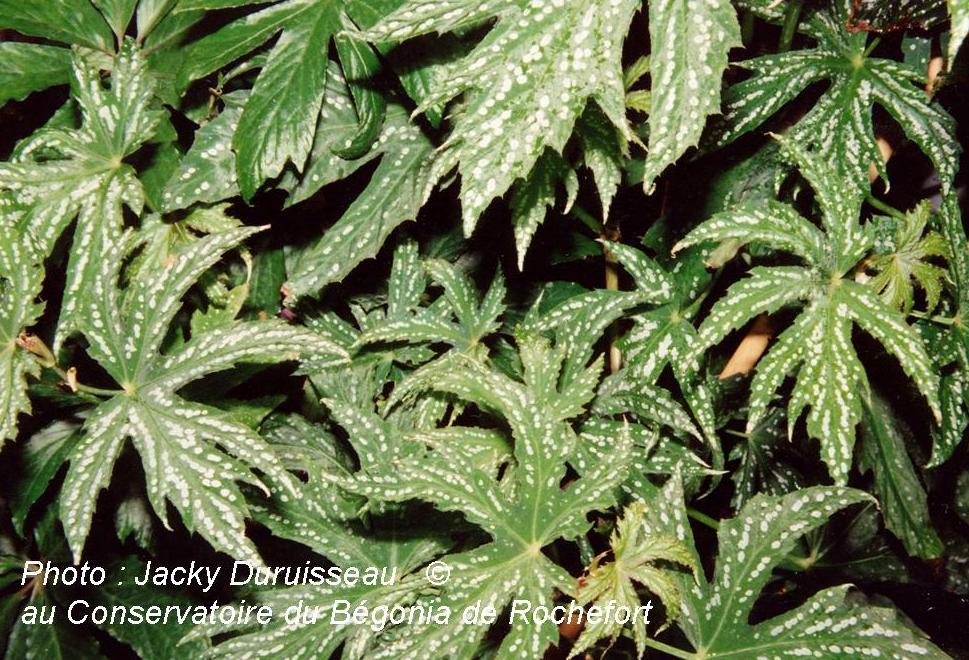

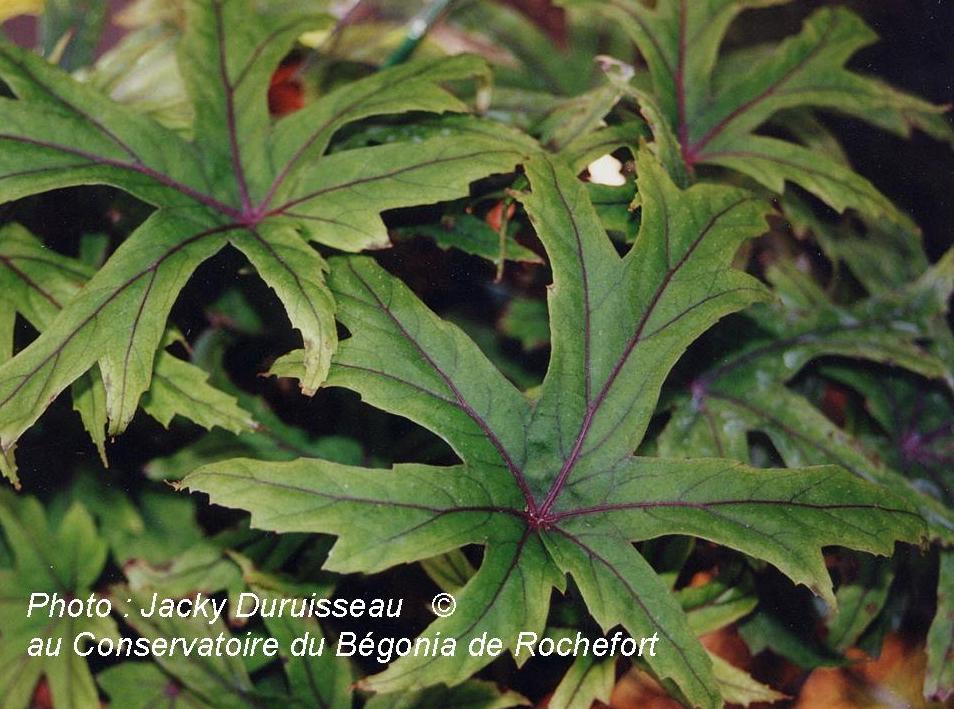
Pinnatifid leaf
Not palmate but pinnate (leaflets arranged like the barbs of a feather on either side of the rachis); the divisions do not reach the midrib.
-
- B. aspleniifolia Hooker f. / section Filicibegonia / endemic to Gabon: pinnatisect blade: pinnatifid, with divisions exceeding half the blade
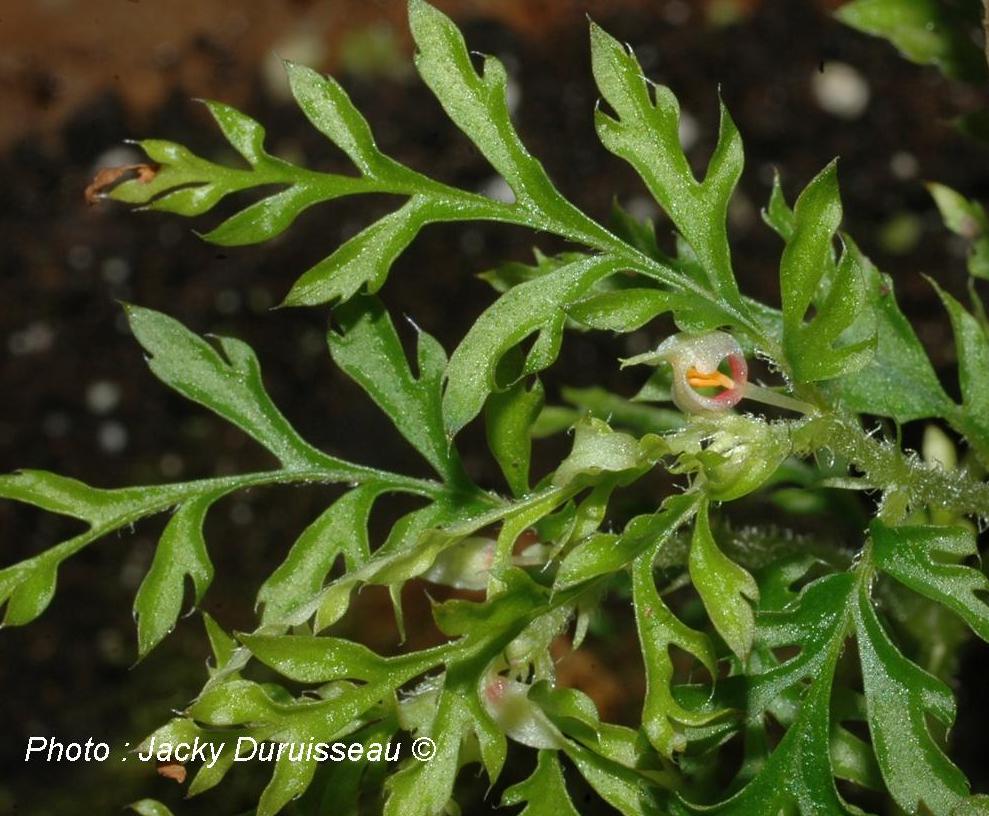
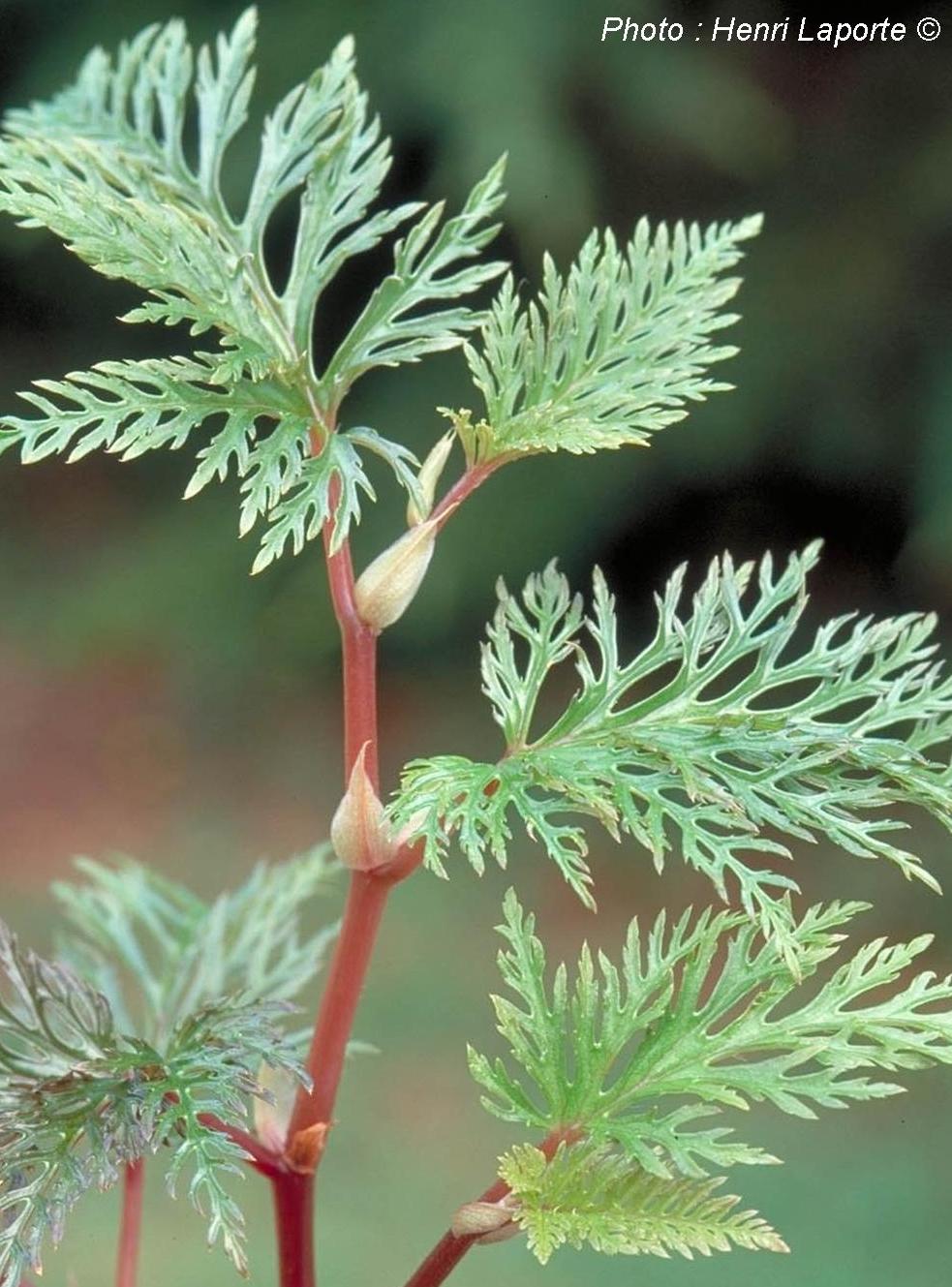
Bipinnatifid or even more divided leaf
When the pinnatifid divisions are themselves pinnatifid.
-
- B. bipinnatifida JJ Smith / section Petermannia / New Guinea: bipinnatifid leaf
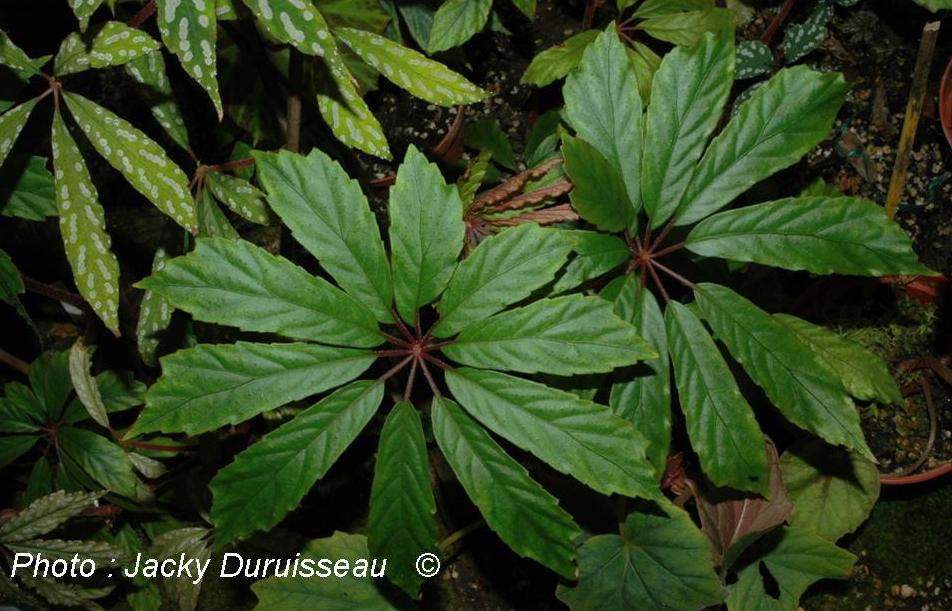
Compound leaf
The blade is divided into several leaflets, each with its own petiole; a rare character in the genus Begonia.
-
- B. hemsleyana J.D. Hooker / section Platycentrum / China: palmately compound leaf
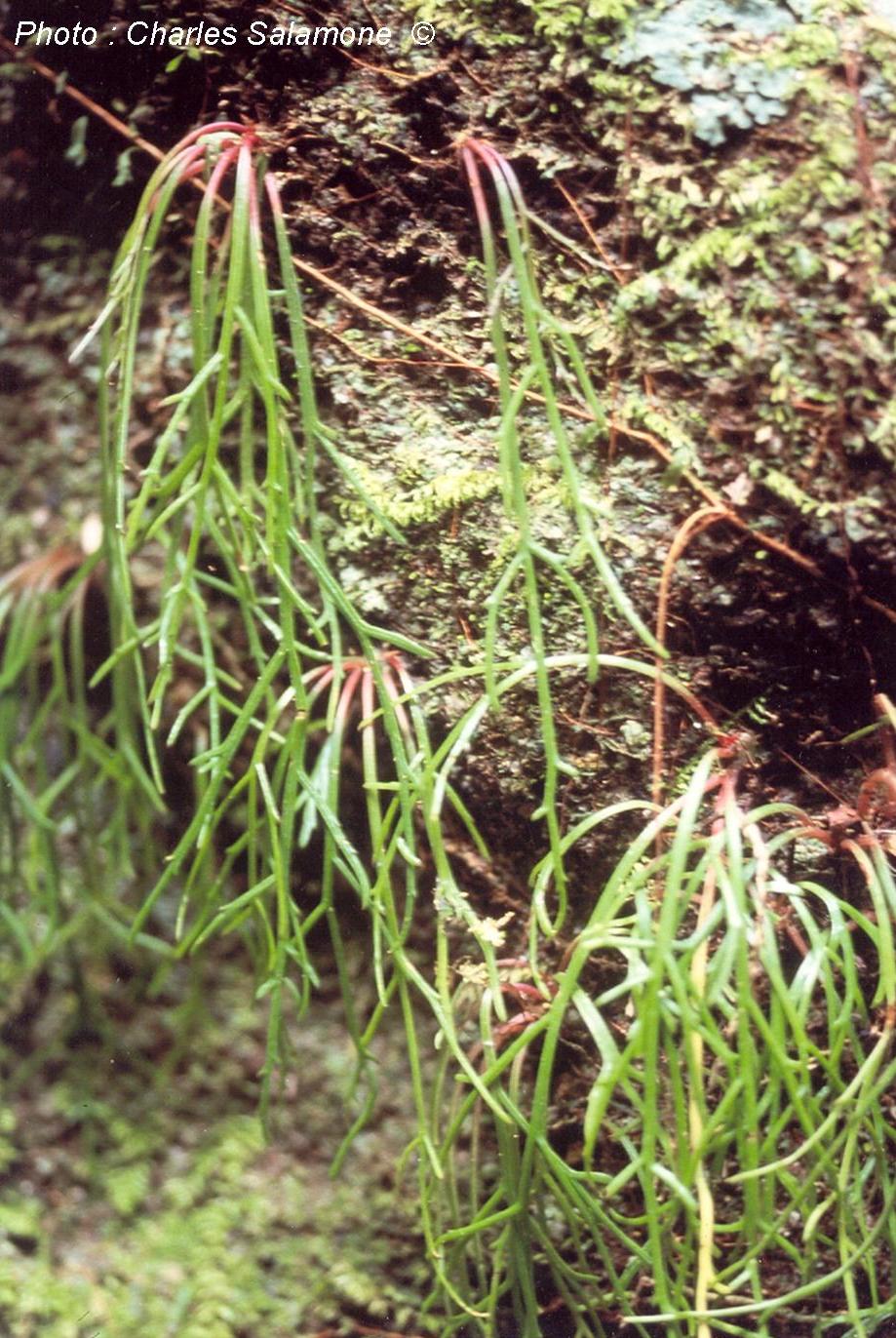
Filiform leaf
The blade is segmented.
-
- B. sp. Madagascar / section Erminea / endemic to Madagascar: filiform leaf in twice-divided segments
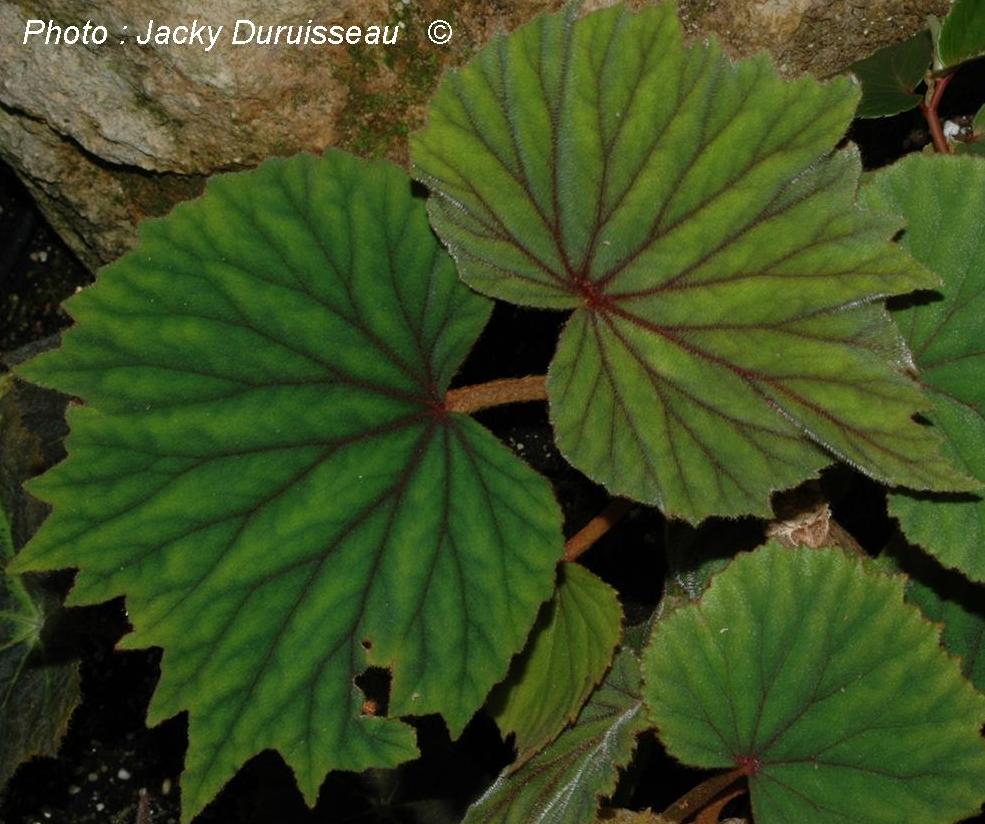
Veins
Palmate veins
Arranged like the fingers of a hand.
-
- B. sericoneura Liebmann / section Gireoudia / Central America: palmate veins
- B. beccarii Warburg / section Diploclinium / Malaysia (Borneo: Sarawak): palmate veins

Palmate-pinnate veins
The first veins are palmate and the following ones pinnate along the main vein.
-
- B. humilis Dryander / section Doratometra / From the West Indies to Peru and Brazil: palmate-pinnate veins
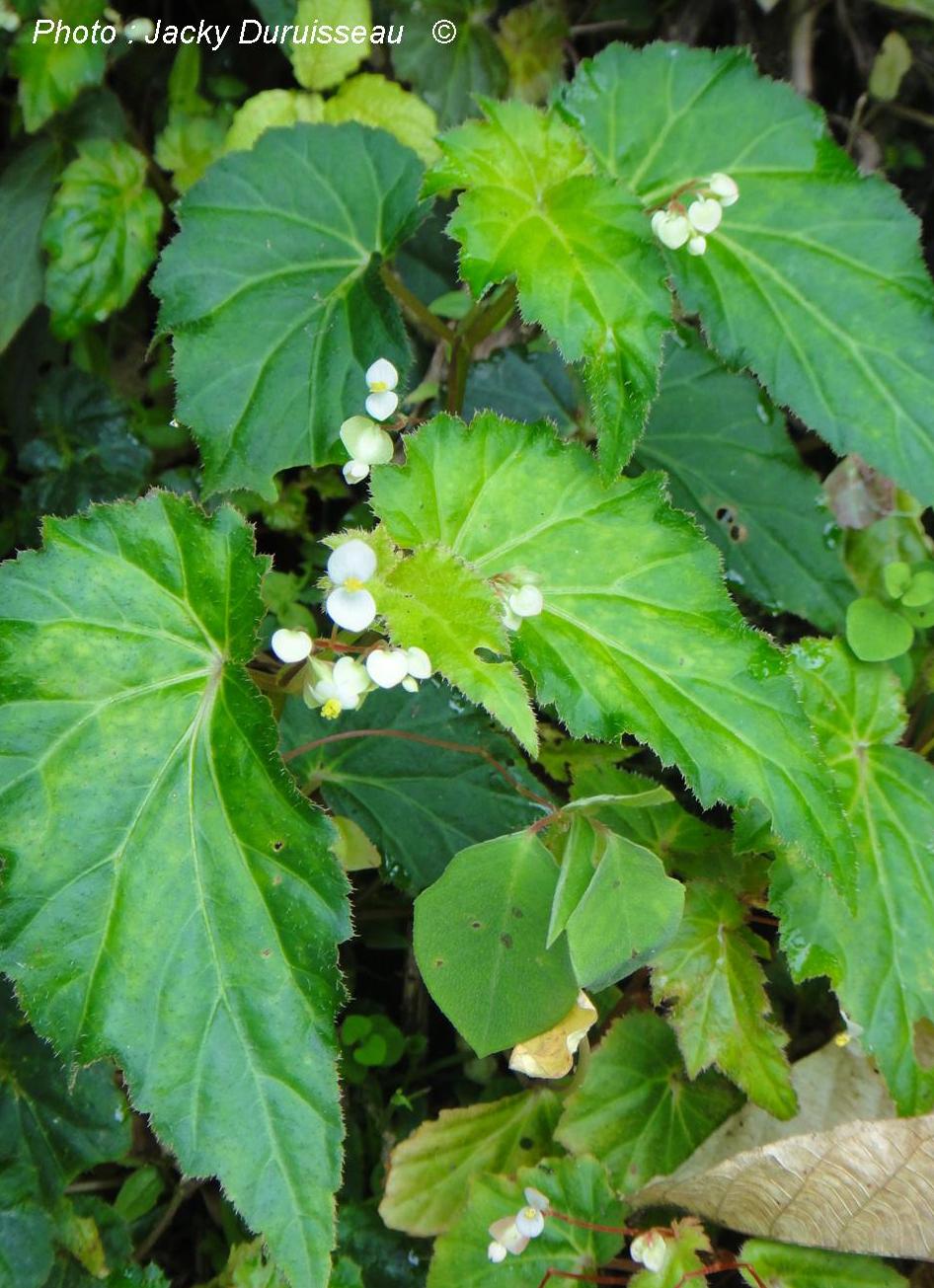
Pinnate veins
The veins are arranged like the barbs of a feather.
-
- B. auriculata JD Hooker / section Filicibegonia / Gabon: pinnate veins
- B. ulmifolia Willdenow / section Donaldia / Guiana Shield: pinnate veins

Indumentum
(Characters not visible to the naked eye)
- Presence on the leaves of more or less circular or star-shaped “scales” called trichomes : plants of sections Baccabegonia, Squamibegonia and Tetraphila and a few species of section Loasibegonia.
- Presence of star-shaped “hairs”: on a few Asian and South American species of sections Knesebeckia and Pritzelia.
Characters that do not determine membership of a section:
Petiole
No petiole
Sessile leaves.
-
- B. polygonoides JD Hooker / section Tetraphila / Tropical Africa: almost sessile leaves
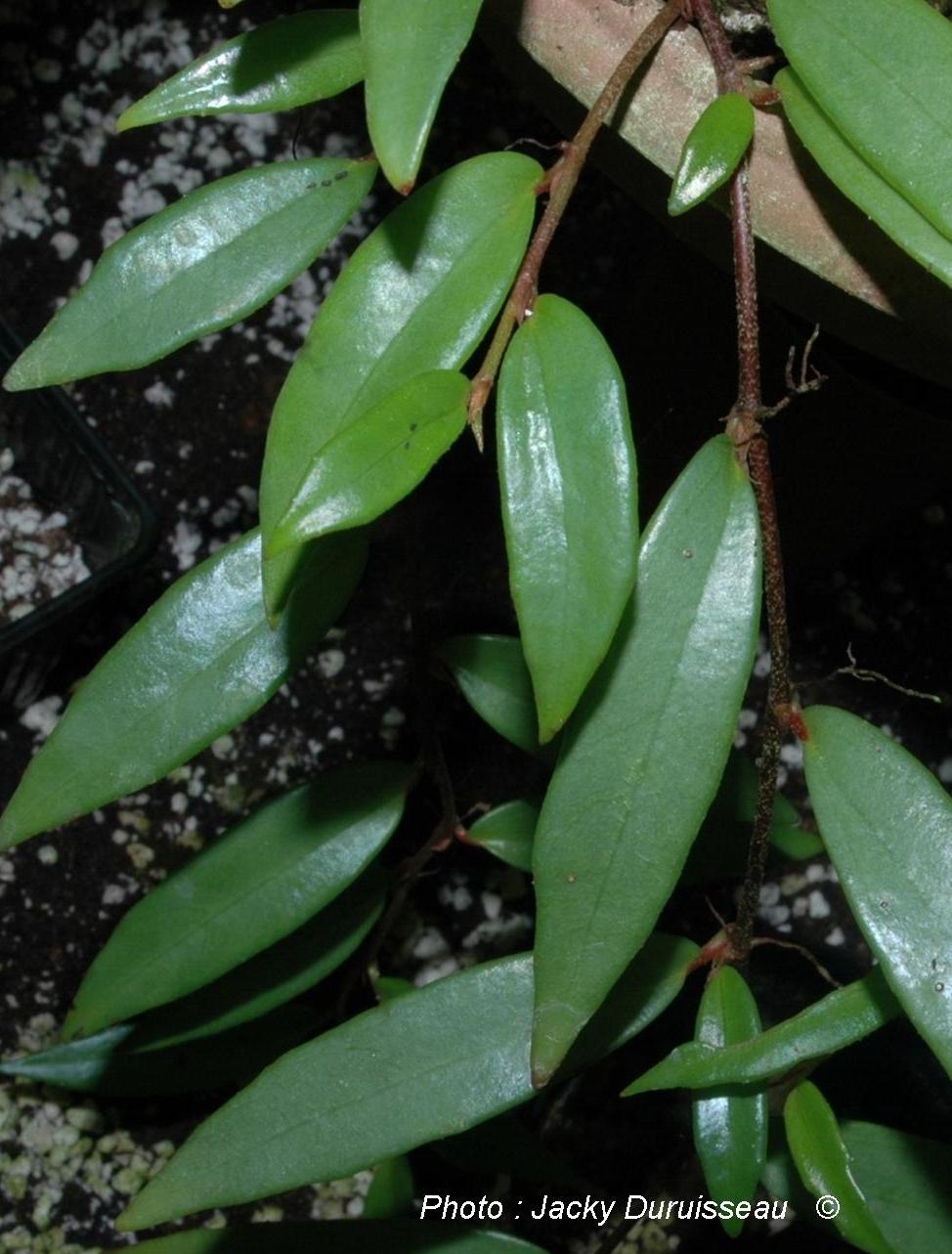
Glabrous or hairy
-
- B. picturata Y. Liu, S-M Ku & Ch-I Peng / section Coelocentrum / China (Guangxi): densely hairy petiole
- B. roxburghii A. de Candolle / section Sphenanthera / India – Myanmar: glabrous petiole

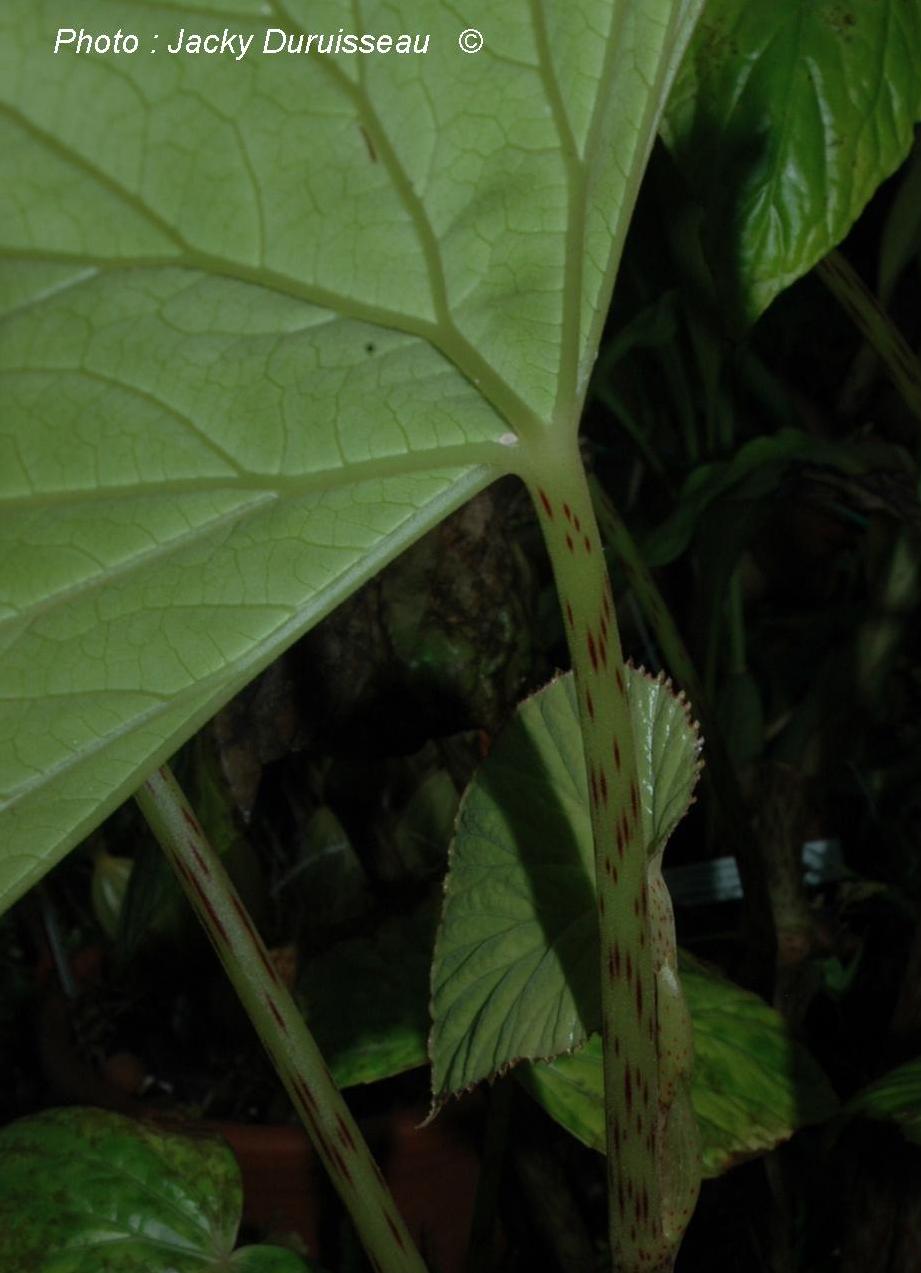
Shape of the blade
Cordate
Heart-shaped.
-
- B. aliceclarckiae Ziesenhenne / section Weibachia / Mexico: cordate blade
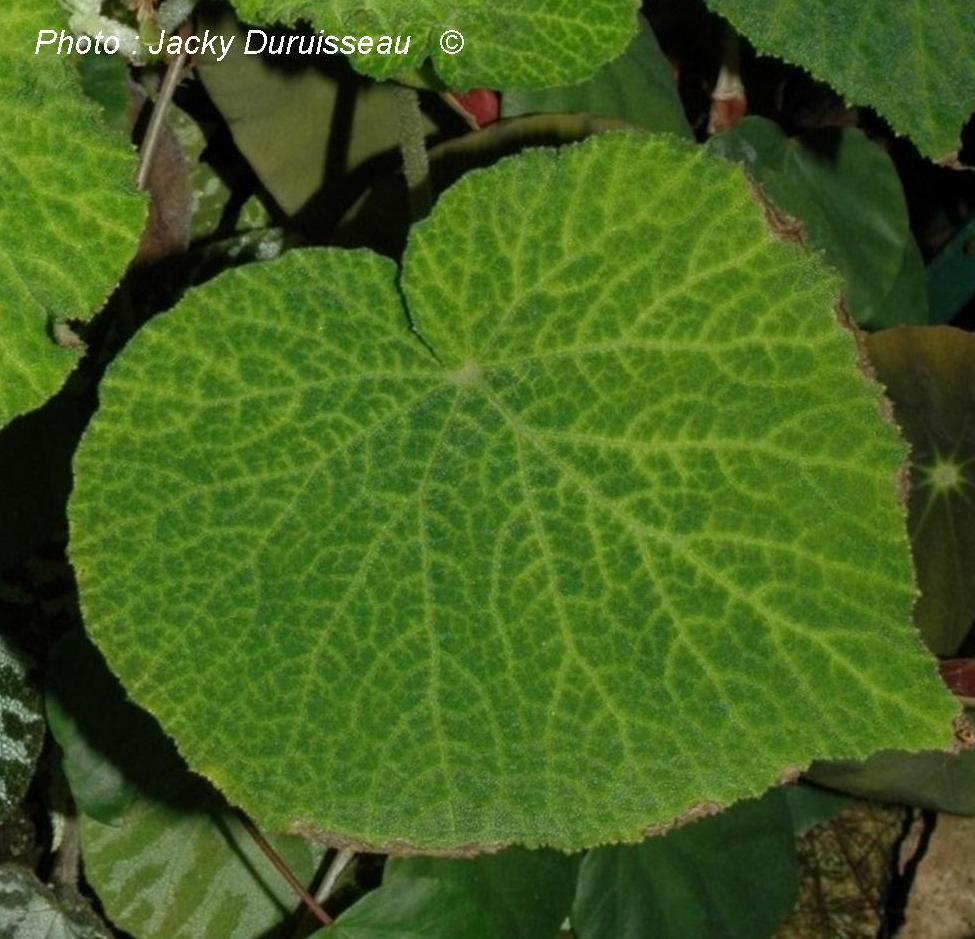
Auriculate
Has an “auricle” (small ear) on the wider side of the blade, at its base.
-
- Gabon sp. nov / asymmetrical blade, with a well-formed auricle on one side of the base and cordate on the other

Obtuse at the base or apex
Rounded at the tip or base.
-
- B. kisuluana Büttner / section Tetraphila / from Nigeria to Angola: leaves obtuse at the apex
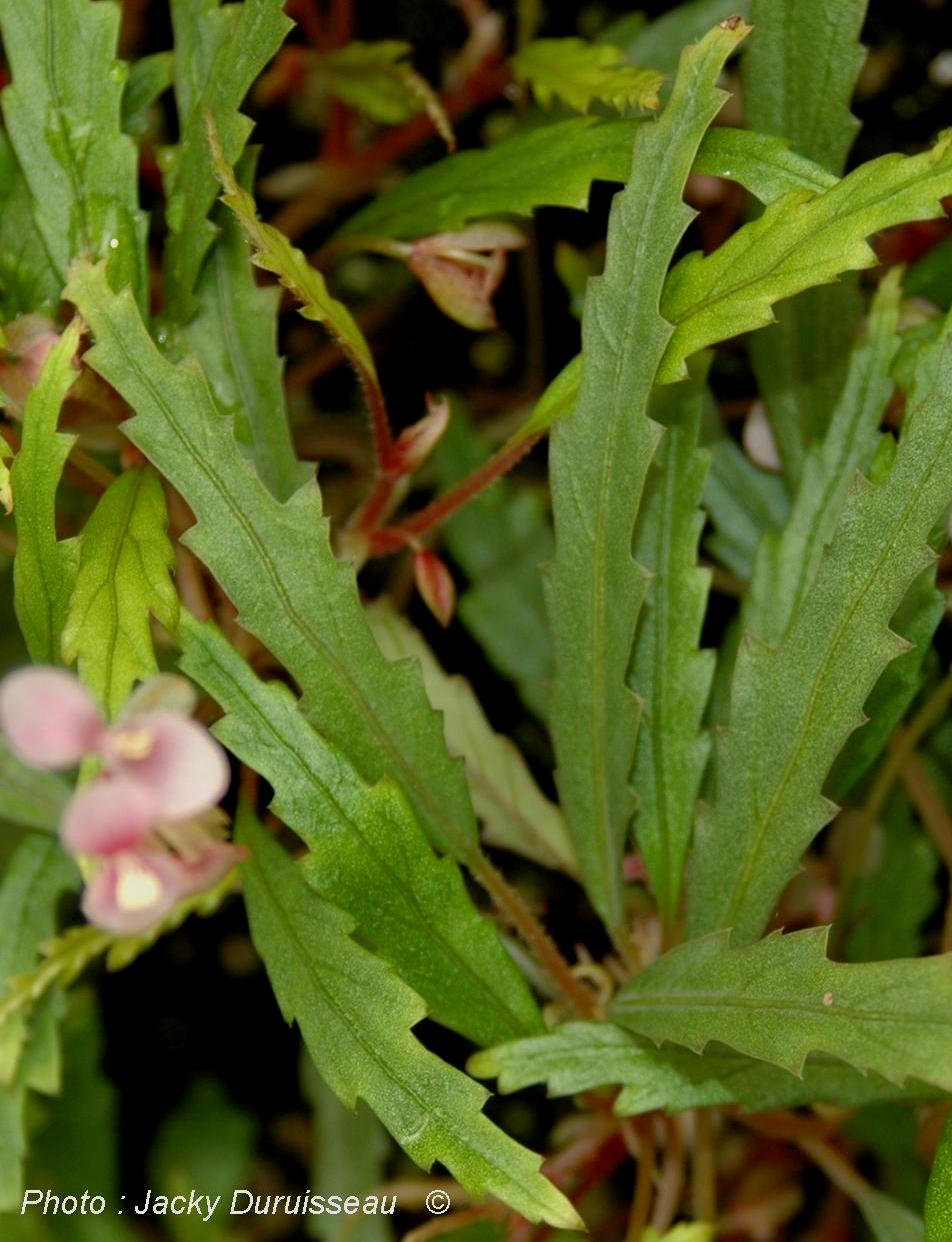
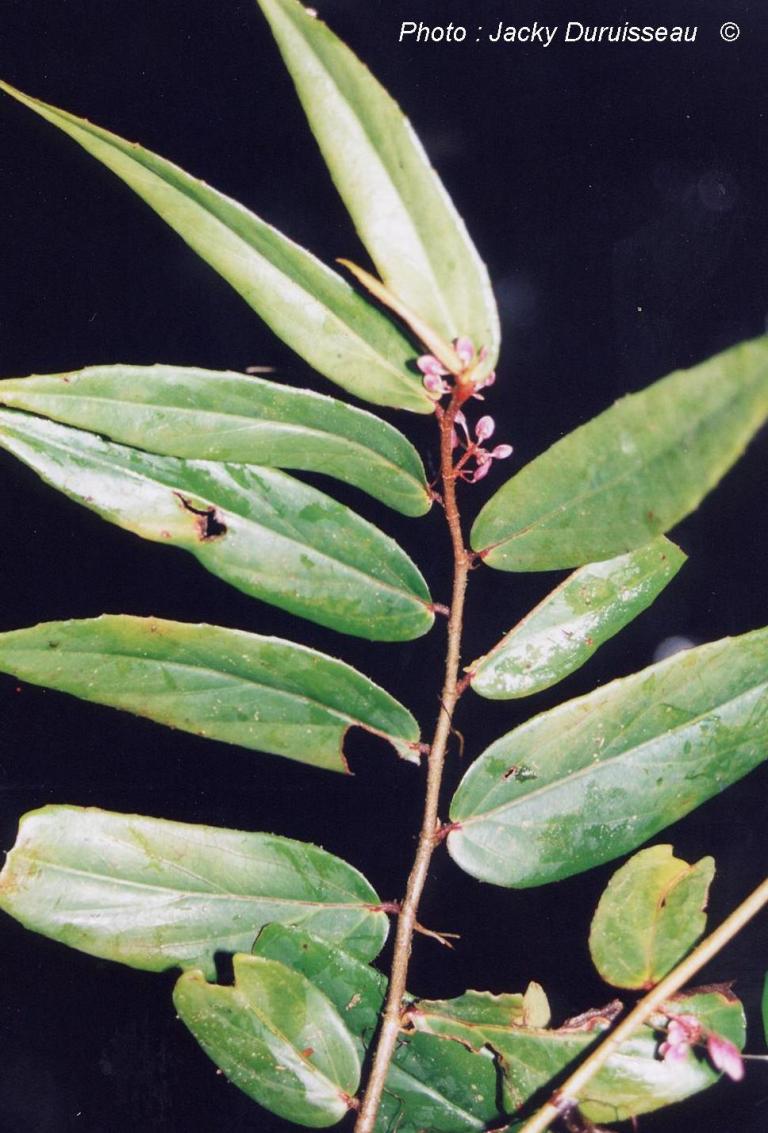
Lanceolate
Lance-shaped (widest part at the base).
-
- B. henrilaportei Scherberich & Duruisseau / section Quadrilobaria / Madagascar: linear-lanceolate blade, almost symmetrical, with pinnate veins, incised.
- B. komoensis Irmscher / section Tetraphila / Equatorial Africa: lanceolate blade
Cuneate base
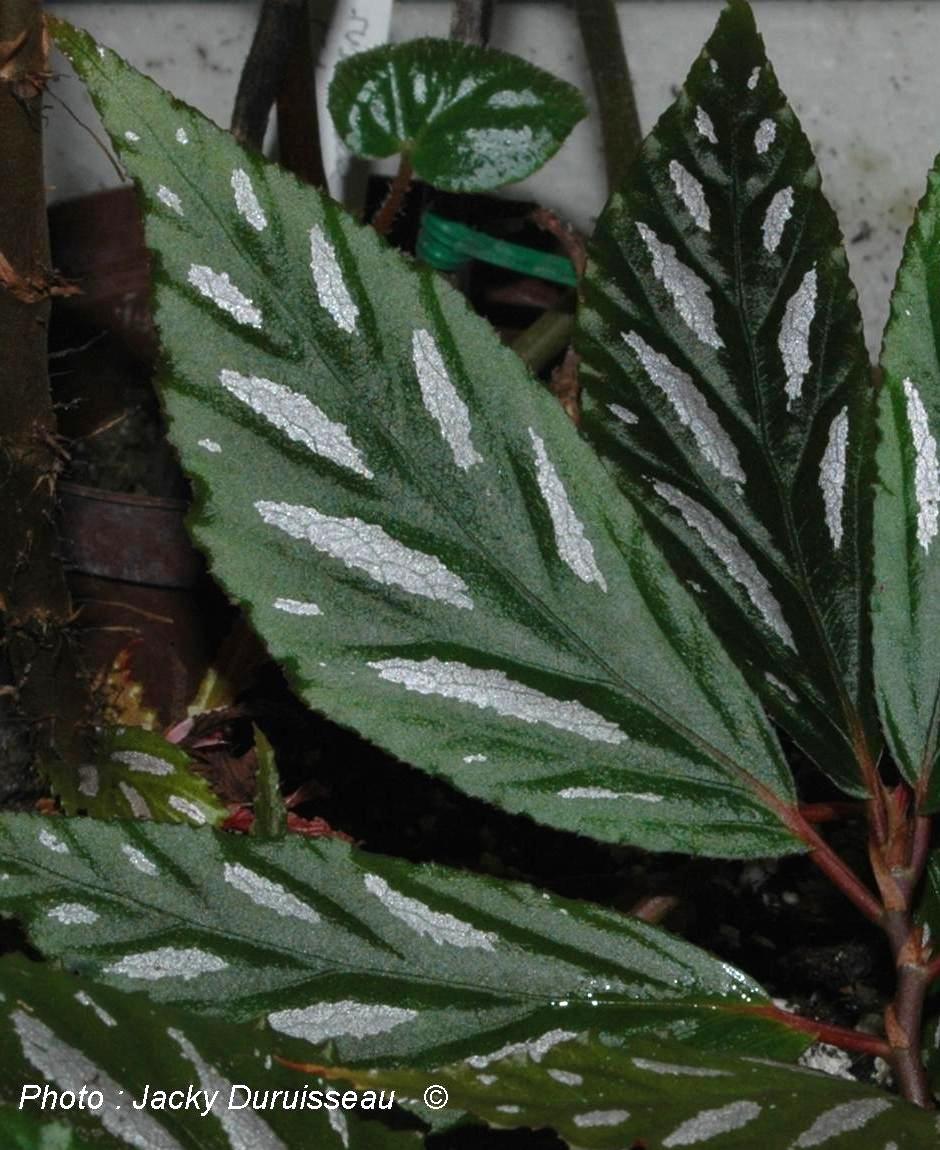
Wedge- or triangle-shaped.
-
- B. maynensis A de Candolle / section Knesebeckia / Ecuador – Peru: lanceolate blade with a cuneate base
Circular or subcircular
-
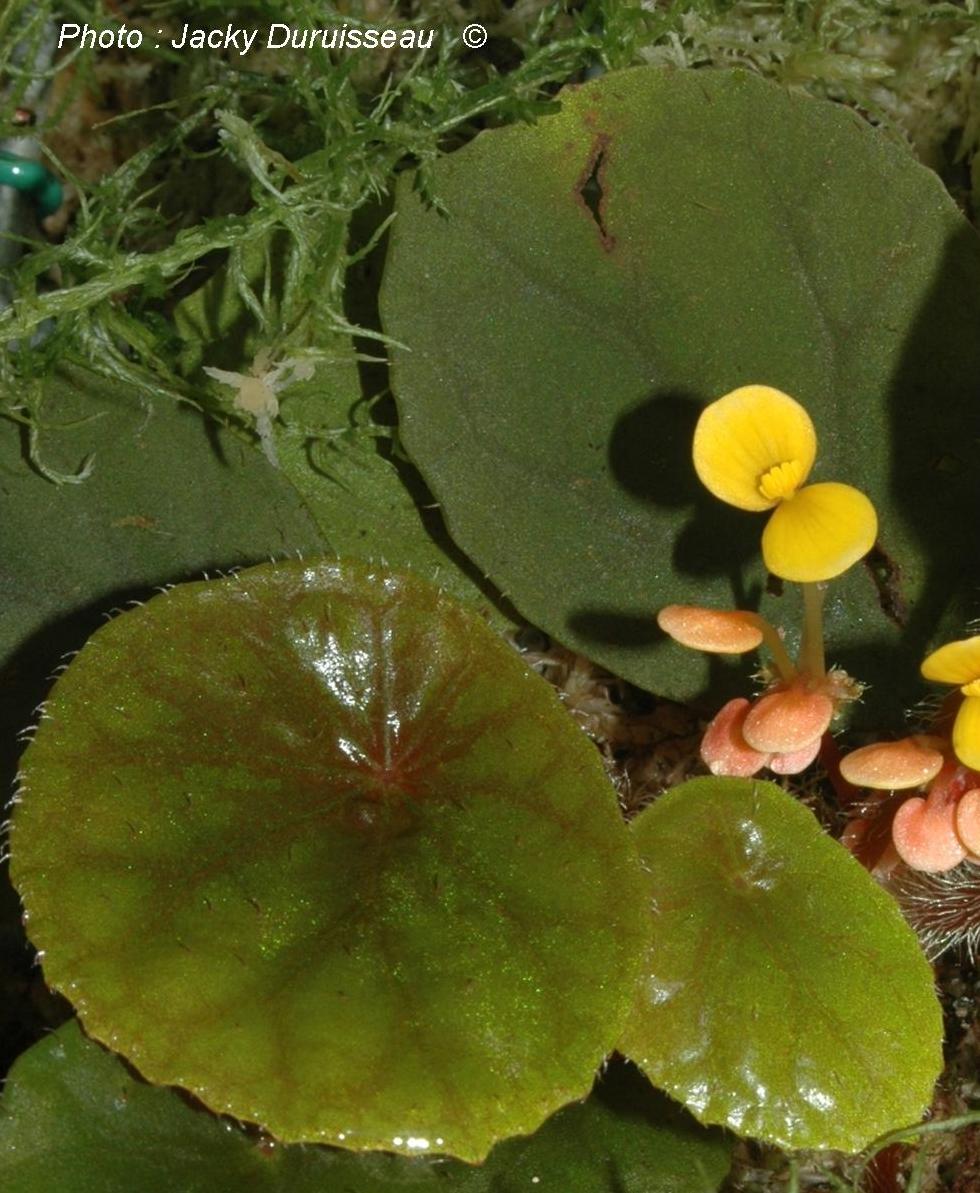
- B. atroglandulosa Sosef / section Loasibegonia / endemic to Gabon: almost circular blade
Falcate
Sickle-shaped.
-
- B. poculifera JD Hooker / section Squamibegonia / Tropical Africa: falcate blade
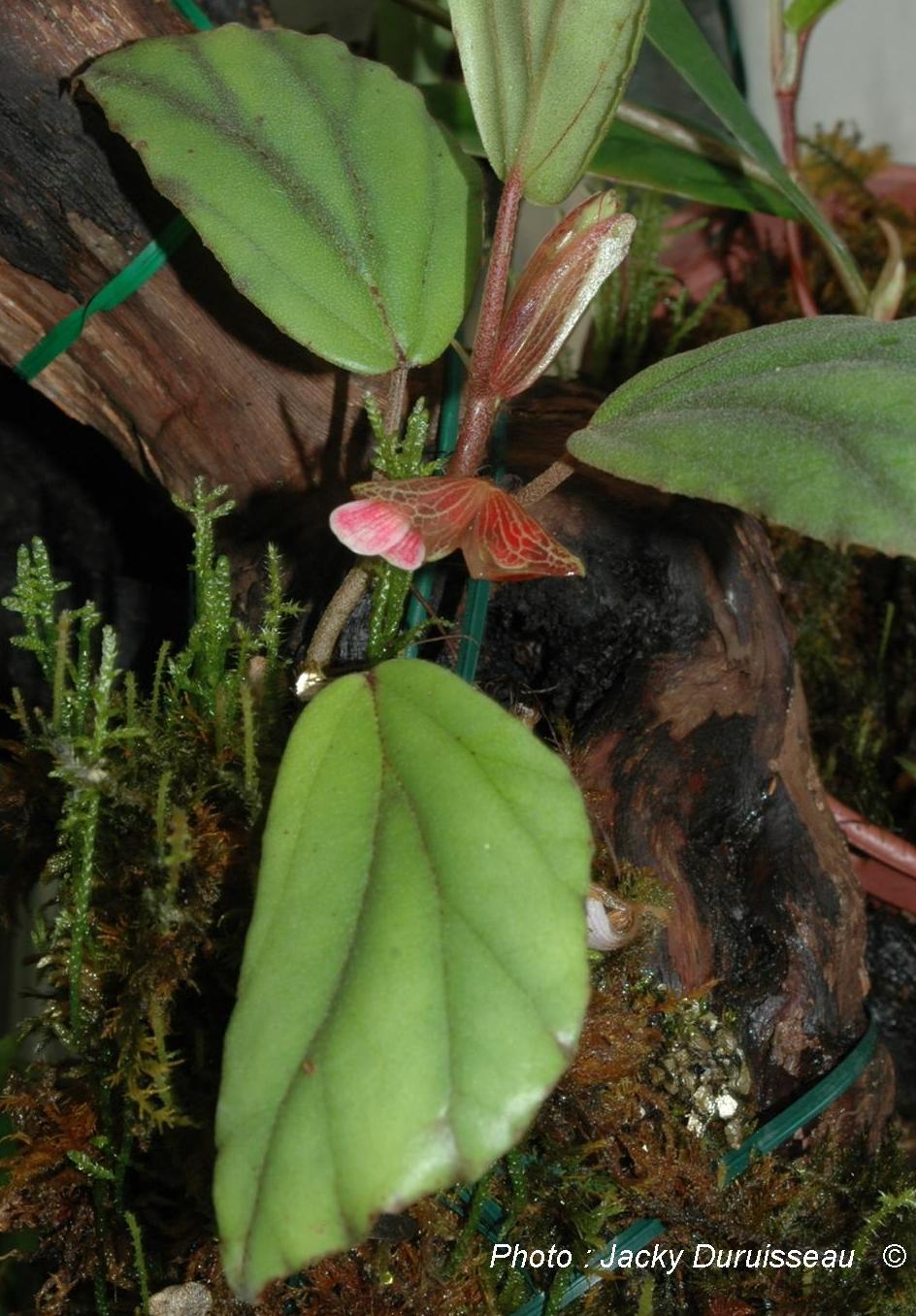
Surface of the blade
Glabrous
Smooth blade, without hairs.
-
- B. loranthoides var. loranthoides JD Hooker / section Tetraphila / Equatorial Africa: upper surface of the blade glabrous and smooth

Pubescent or hirsute
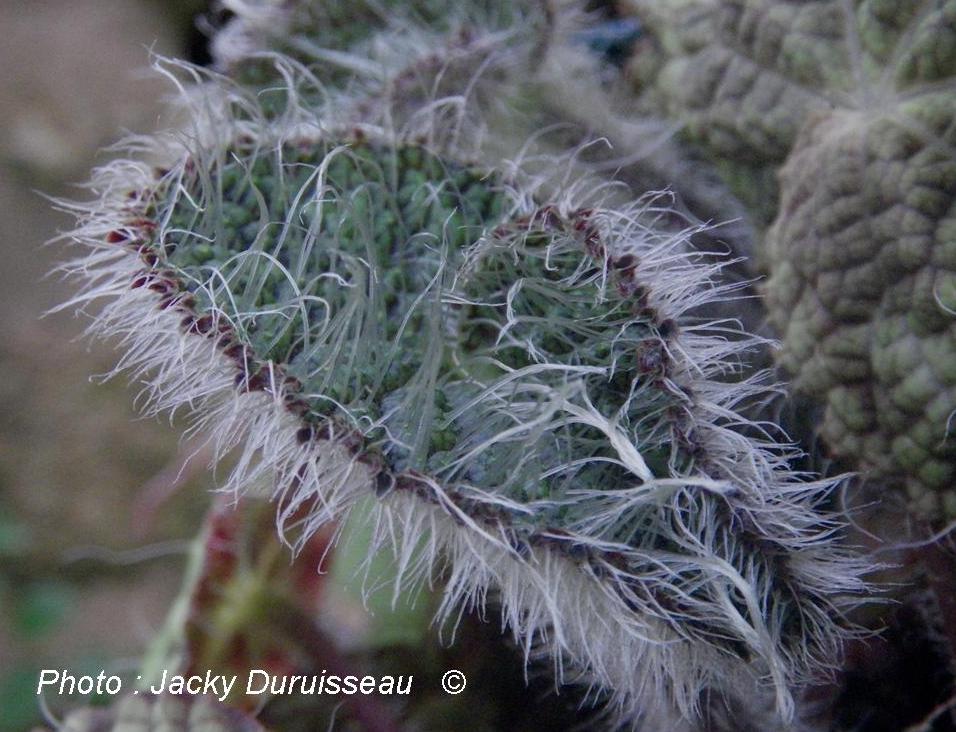
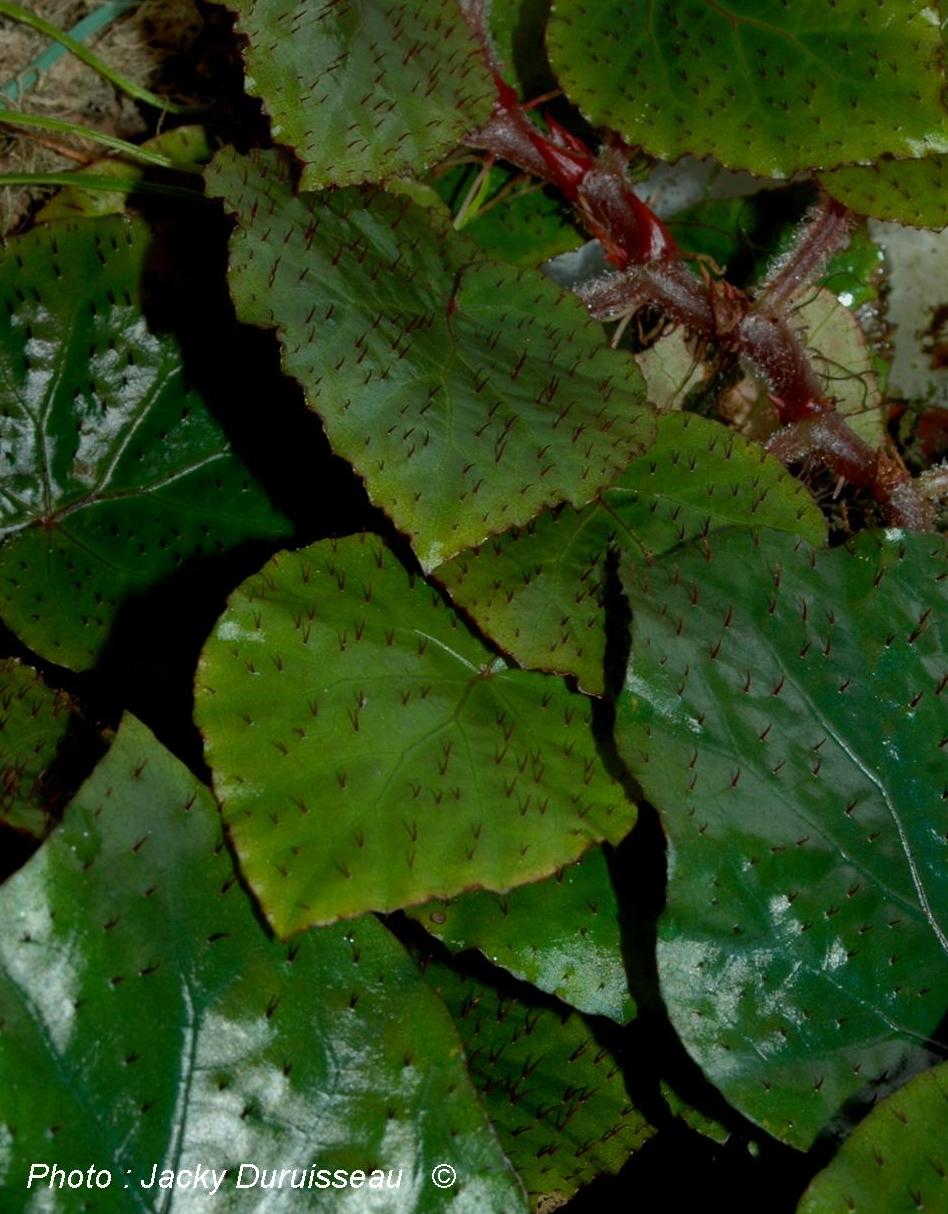
Blade with dense or sparse hairs, short or long, spine-like (spiculiform or spiculate), in various colours.
-
- B. sizemoreae R. Kiew / section Platycentrum / Vietnam: upper surface of the blade with large white hairs
- B. limprichtii Irmscher / section Platycentrum / China: hairy blade
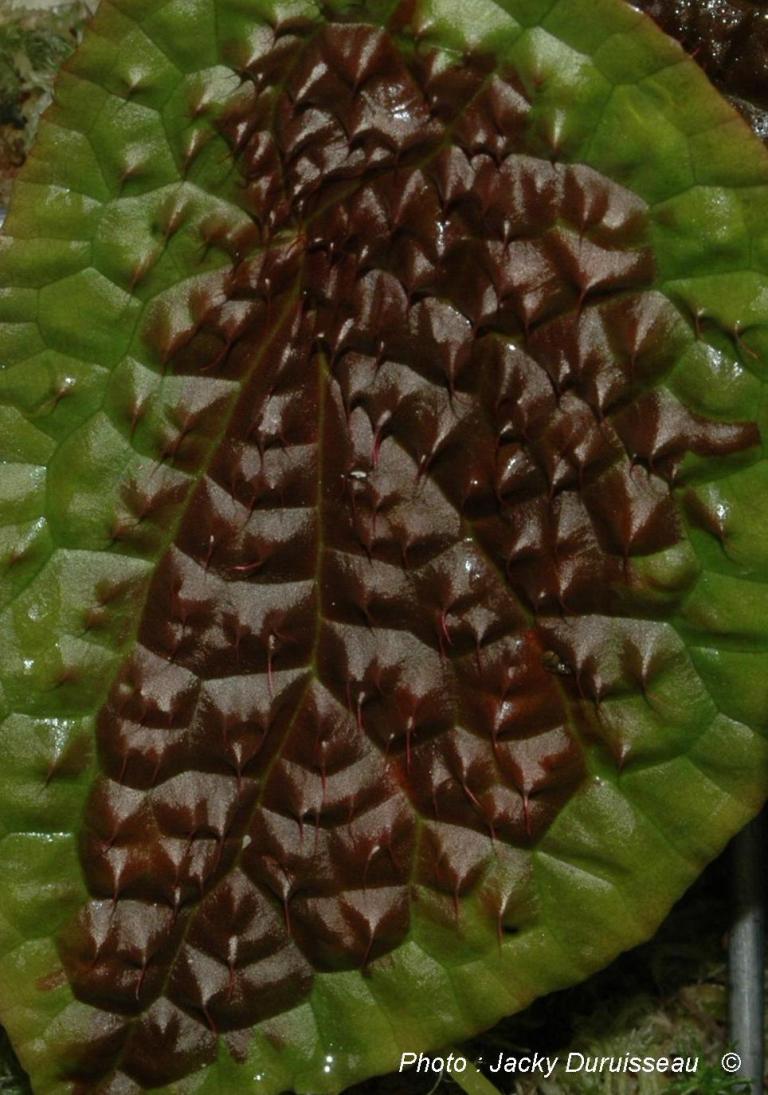
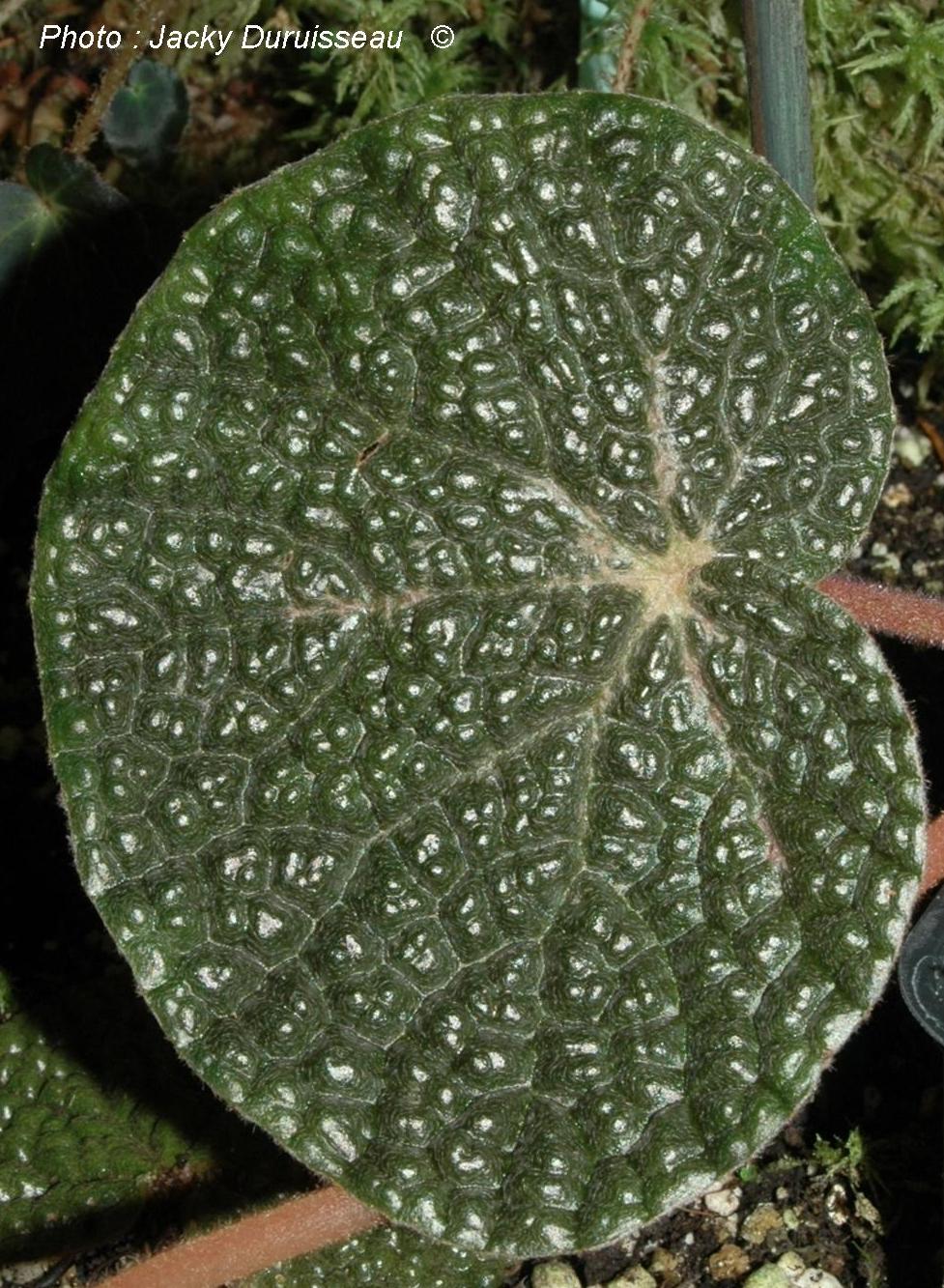
Bullate
Blistered surface.
-
- B. susaniae Sosef / section Scutobegonia / Cameroon – Gabon: bullate blade, each “blister” bearing a spiculiform hair
- B. bullatifolia Kollmann / section Knesebeckia / Brazil (Espírito Santo): bullate blade, without hairs
Margin
Entire
The margin has no incisions.
-
- B. erectocaulis Sosef / section Scutobegonia / Gabon: entire margin

Dentate
Margin cut into teeth that are more or less large and more or less regular; it is called serrate when finely toothed.
-
- B. augustinei Hemsley / section Platycentrum / China: serrate margin, with a longer tooth where the veins reach the margin

Crenate
Margin edged with rounded teeth.
-
- B. furfuracea JD Hooker / section Tetraphila / Cameroon – Bioko: leaf with a crenate margin

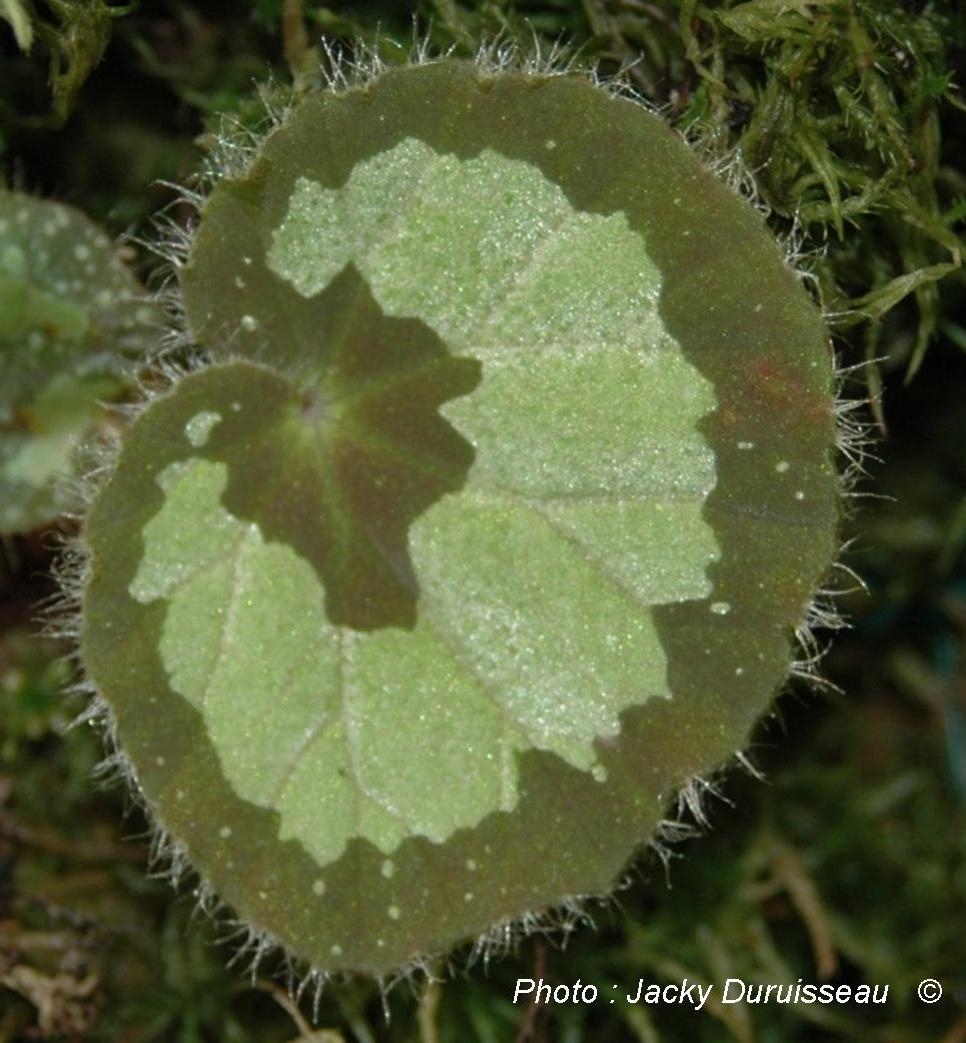
Ciliate
Margin with more or less long hairs.
-
- B. jingxiensis D. Fang & Y.G. Wei var. mashanica / section Diploclinium / China (Guangxi): ciliate margin
Bibliography
- The sections of Begonia / J. Doorenbos – M.S.M. Sosef – J.J.F.E. de Wilde
- Begonias of Peninsular Malaysia / Ruth Kiew
-
BEGONIACEAE, Edition 2 / Part I : Annotated Species List / Jack Golding